Curaçao’s beach clubs are not just places to sit by the water and order cocktails.
They’re part of the island’s lifestyle.
This is where afternoons slowly turn into sunsets, where beach days accidentally become full nights out, where DJs start playing just as the sky turns orange, and where people somehow lose track of time almost every evening.
One of the reasons Curaçao’s social scene feels so different compared to many Caribbean destinations is because the island genuinely blends beach life and nightlife together. In Curaçao, there’s no sharp line between “daytime” and “going out.” Everything flows naturally from one into the other.
You arrive for lunch.
Stay for sunset.
Order another drink.
Suddenly it’s midnight.
And honestly, that happens to almost everyone eventually.
If you’re planning your trip and looking for beach clubs, restaurants, nightlife, or local hotspots around the island, you can explore the full local recommendations on https://www.therealcuracao.com/explore and browse more travel guides on https://www.therealcuracao.com/blog.
When people first think about Curaçao beach clubs, Mambo Beach is usually the first place that comes to mind. It’s easily the island’s most famous beach club area and one of the biggest social hubs in Curaçao. During the day, the atmosphere is relaxed with beach beds, cocktails, swimming, shopping, restaurants, and music playing across the boulevard. But as sunset approaches, the energy changes completely.
The beach slowly fills with people.
Music gets louder.
Bars become crowded.
And the entire area transforms into one giant open-air social scene. 
Madero Ocean Club, Wet & Wild, Cabana Beach, and nearby venues create one connected nightlife atmosphere where people move between cocktails, dancing, beachfront lounges, and late-night parties directly beside the ocean. 
For travelers who enjoy energetic beach clubs, DJs, and nightlife, Mambo Beach is basically impossible to avoid.
Jan Thiel offers a slightly different atmosphere.
Still lively.
Still social.
But generally more polished and upscale compared to the chaos of Mambo.
The beach clubs around Jan Thiel combine luxury beach beds, restaurants, cocktails, infinity pools, and sunset lounges with a more relaxed elegance during the daytime. At night, places like Zanzibar and Papagayo become some of the island’s biggest nightlife hotspots, especially on weekends. 
Zanzibar is especially famous for its open-air atmosphere, music, cocktails, and lively crowds. It has become one of those places almost every visitor hears about before even arriving on the island. Meanwhile Papagayo Beach Club offers a more upscale experience with oceanfront seating, DJs, cocktails, and stylish lounge areas directly beside the sea. 
But Curaçao’s beach club scene is not only about partying.
That’s one of the reasons it works so well for different types of travelers.
Some beach clubs focus more on sunsets, relaxed music, and long conversations near the water instead of all-night parties. Places like Saint Tropez Ocean Club combine luxury poolside views with calmer upscale energy, especially during sunset hours. The infinity pool overlooking the ocean has become one of the island’s most photographed social spots for a reason. 
Then there are beach clubs that feel more local and laid-back.
Kokomo Beach is one of the best examples. It has a more relaxed Caribbean atmosphere where people come for sunsets, Sunday BBQs, beach days, casual drinks, and slower afternoons by the water. It feels less focused on image and more focused on actually enjoying the beach.
And honestly, those places often become favorites for people staying longer on the island.
Kontiki Beach and nearby beach bars around Mambo also create a balance between social energy and relaxed beach atmosphere. Some travelers want DJs and parties every day. Others want comfortable beach beds, good music, cold drinks, and enough calm to actually hear the ocean occasionally.
Curaçao somehow manages to offer both.
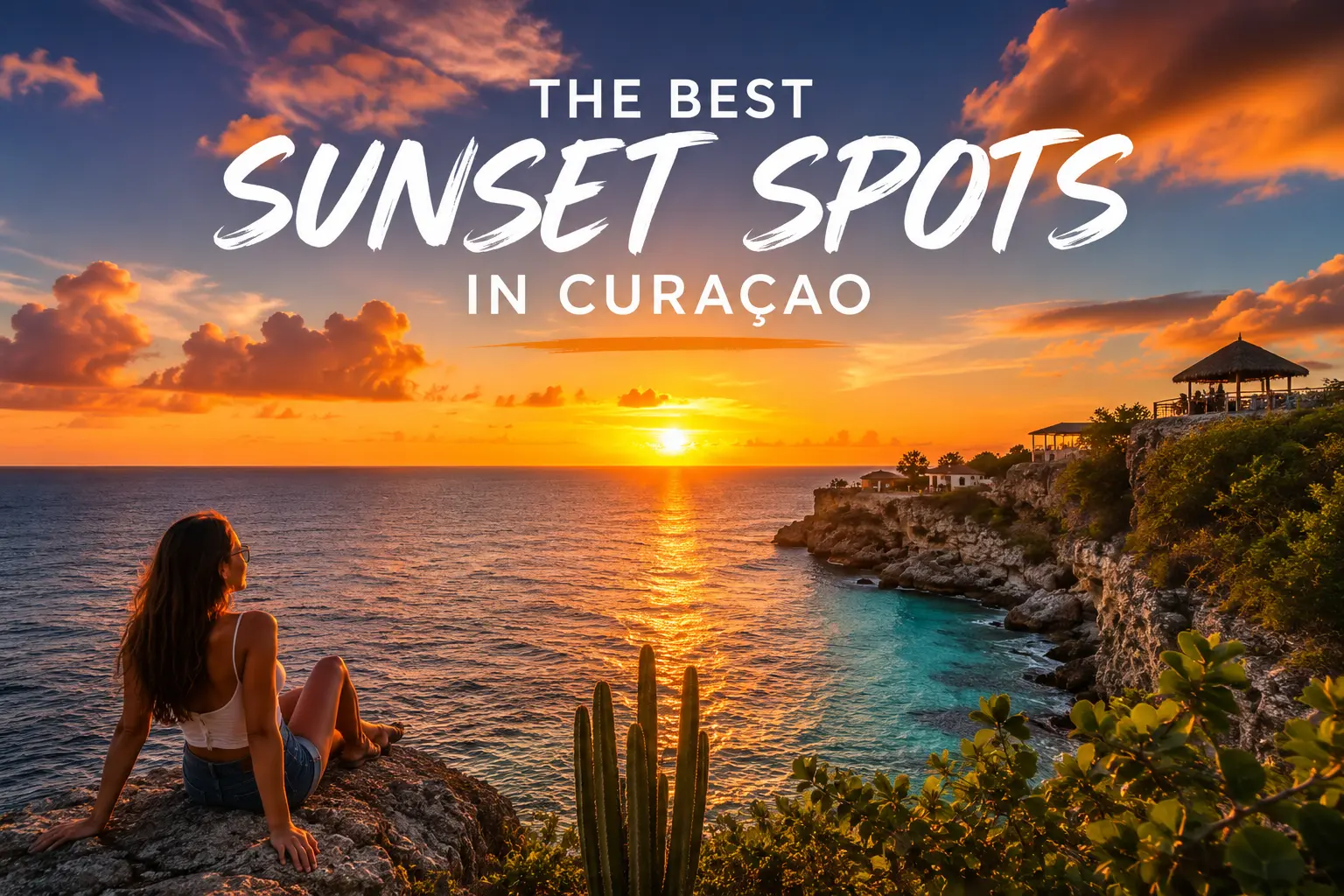
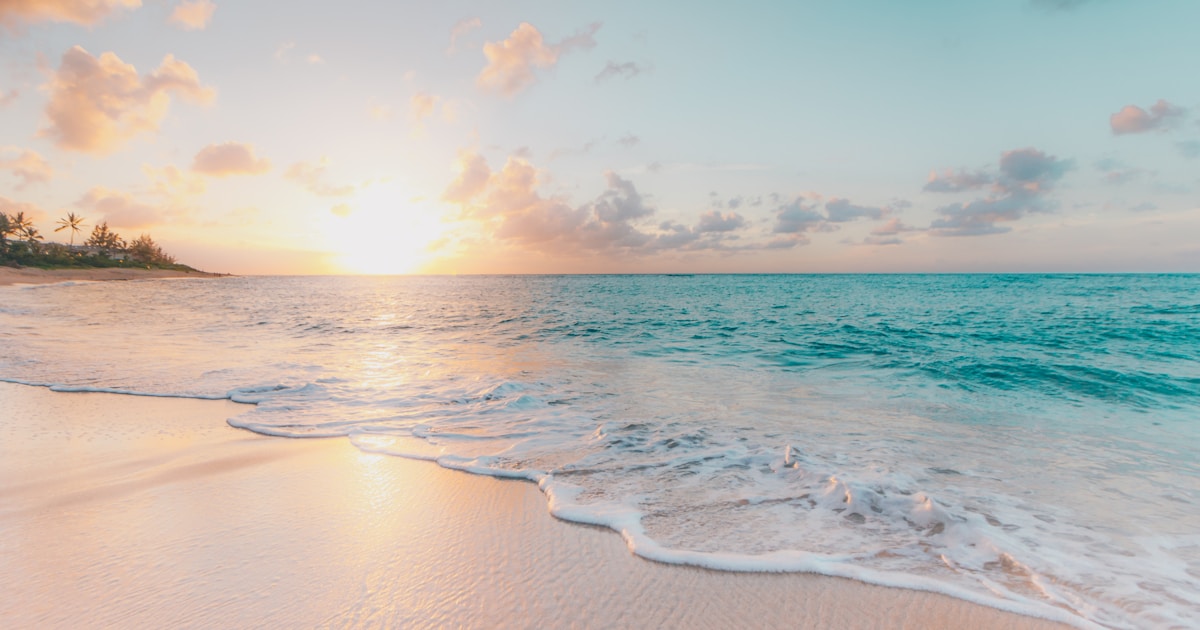
One thing many first-time visitors don’t expect is how much sunset shapes the entire beach club culture here. Around late afternoon, beach clubs begin filling up again even after quieter daytime hours. People arrive specifically for golden hour because sunsets in Curaçao are genuinely spectacular almost year-round.
The western-facing coastline, constant trade winds, and open Caribbean horizon create dramatic skies regularly, which turns sunset into an actual event on the island.
Some people come for cocktails.
Some come for photos.
Some come because sunset somehow became part of their daily routine after only three days in Curaçao.
And once you experience it, that makes complete sense.
For sunset spots, scenic beaches, and local recommendations, you can also explore:
https://www.therealcuracao.com/guide
Pricing at Curaçao’s beach clubs varies depending on the location and atmosphere. Some places remain affordable and casual, while upscale beach clubs charge premium prices for VIP beds, bottle service, private cabanas, or oceanfront lounge areas.
In general:
• casual beach beds are relatively affordable,
• cocktails are similar to major tourist destinations,
• and luxury venues can become expensive quickly if you go full VIP mode.
Which, to be fair, becomes very tempting after two sunset cocktails beside the Caribbean Sea.
Food is also a major part of Curaçao’s beach club culture. Most clubs serve full menus ranging from sushi and seafood to burgers, local dishes, cocktails, smoothie bowls, and international cuisine. Some visitors spend entire days at beach clubs moving between swimming, lunch, drinks, sunbeds, and sunset without ever leaving the location.
And honestly, that’s a completely valid Curaçao strategy.
One thing worth knowing is that weekends feel very different from weekdays. During the week, many beach clubs are calmer and more relaxed. Weekends become significantly more social, especially Friday evenings and Sundays when locals and tourists mix together heavily across the island’s main beach areas.
Sunday especially feels almost like a national beach day in Curaçao.
Music everywhere.
Crowded beaches.
Long lunches.
Families.
Groups of friends.
Boat parties offshore.
Sunsets packed with people staying “just one more hour.”
If you plan on visiting popular beach clubs during weekends or holidays, reserving beach beds or tables in advance is usually smart, especially for sunset hours.
And yes, sunscreen matters more than you think.
A lot more.
Curaçao’s beach club culture also works because the island itself feels naturally social. People talk easily, stay outdoors late, move slowly, and prioritize enjoying the atmosphere instead of rushing constantly between plans. Even travelers visiting alone often end up meeting people naturally at beach bars, sunset lounges, or during daytime beach events.
That relaxed energy is difficult to explain until you experience it yourself.
At the end of the day, Curaçao’s beach clubs are really less about luxury and more about atmosphere. Whether you want loud music, dancing, cocktails, quiet sunsets, relaxed beach afternoons, or full nightlife chaos, the island has a place that fits the mood.
And after a few evenings watching sunsets from a beach bed with music drifting across the ocean, you’ll probably understand why so many people come to Curaçao for one vacation and somehow keep coming back.
For more beach clubs, restaurants, hidden beaches, nightlife spots, and local recommendations, explore:
https://www.therealcuracao.com/explore
https://www.therealcuracao.com/blog
https://www.therealcuracao.com/guide