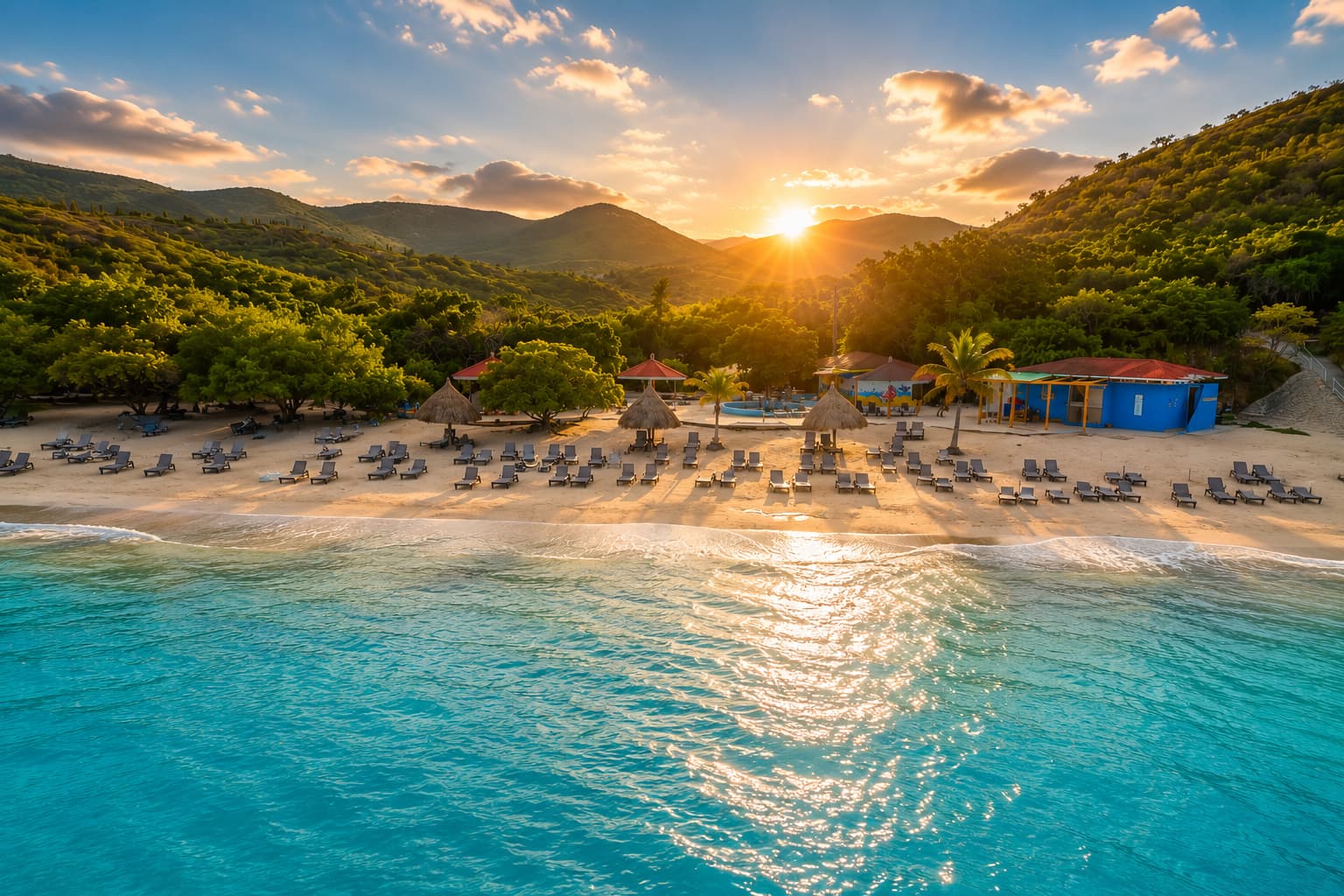
The CompleteCuraçao Travel Guide 2026
Best beaches, hotels, restaurants, things to do, and insider tips for your Curaçao vacation
Plan your perfect Curaçao vacation: discover the best beaches, top restaurants, hotels, activities, interactive maps, local guides, and insider tips — all in one Caribbean travel guide.
Discover
FeedDiscover the best beaches and hidden gems
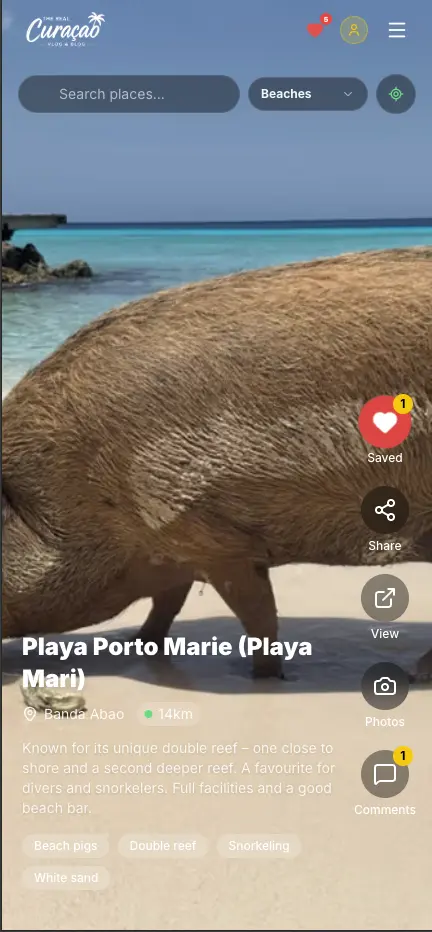
Swipe through real Curaçao photos, read honest comments, and save local favorite beaches and restaurants.
Explore
Categories & MapsBrowse the full Curaçao map
Find every beach, restaurant, and hidden gem plotted across Curaçao.
Open MapInteractive beach tour
Explore Curaçao’s most beautiful beaches with photos and quick filters.
Start TourPopular Places
Trending
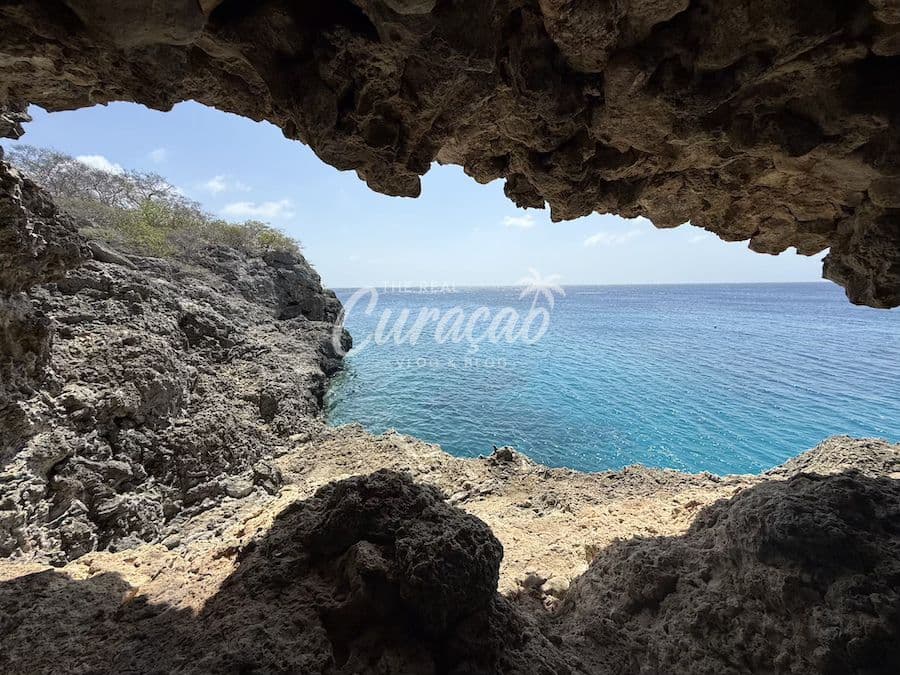
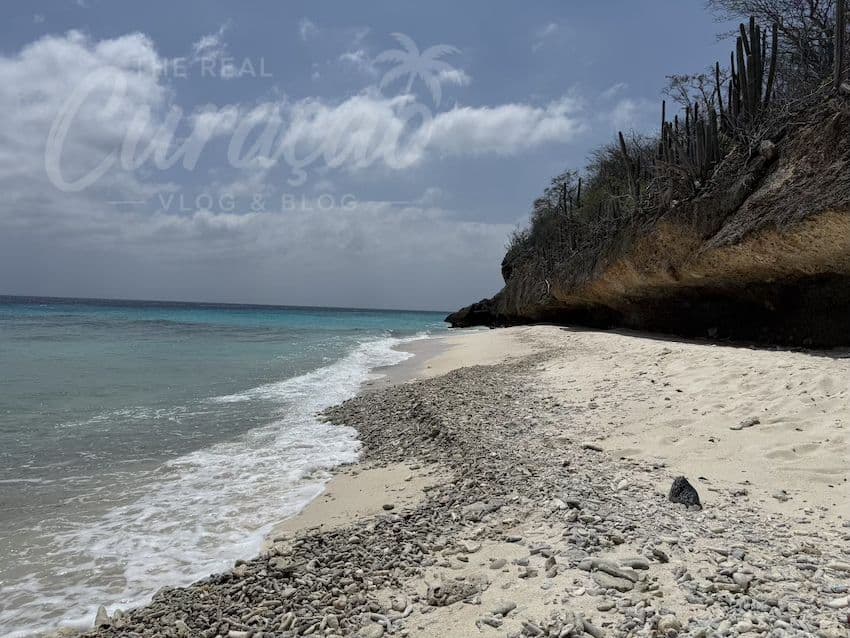
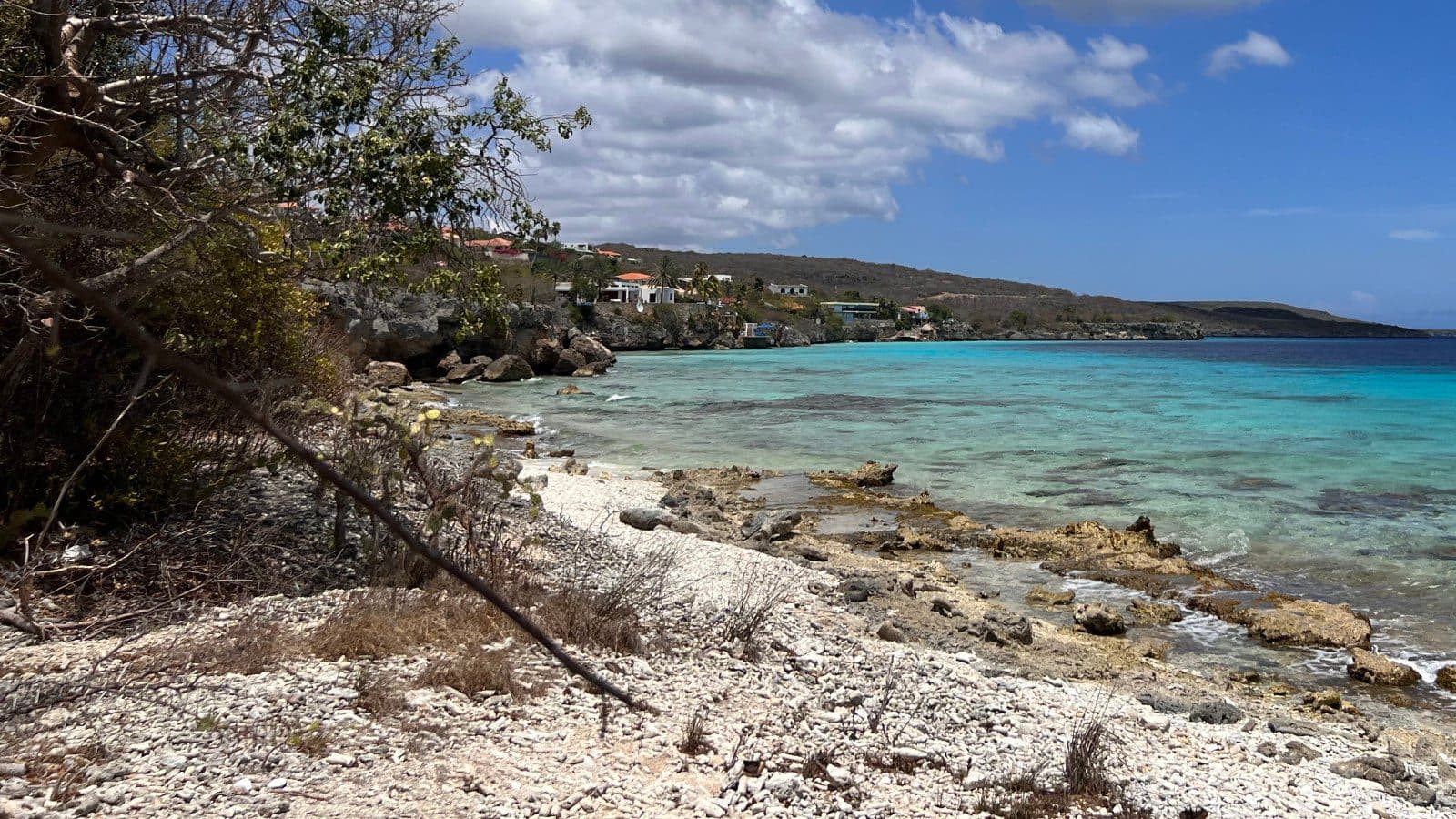
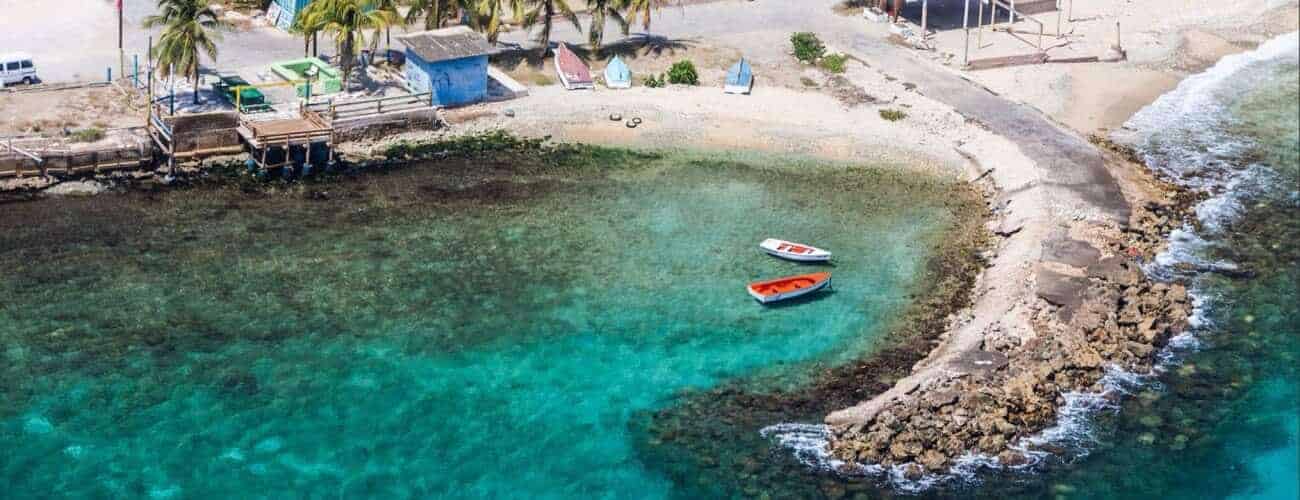
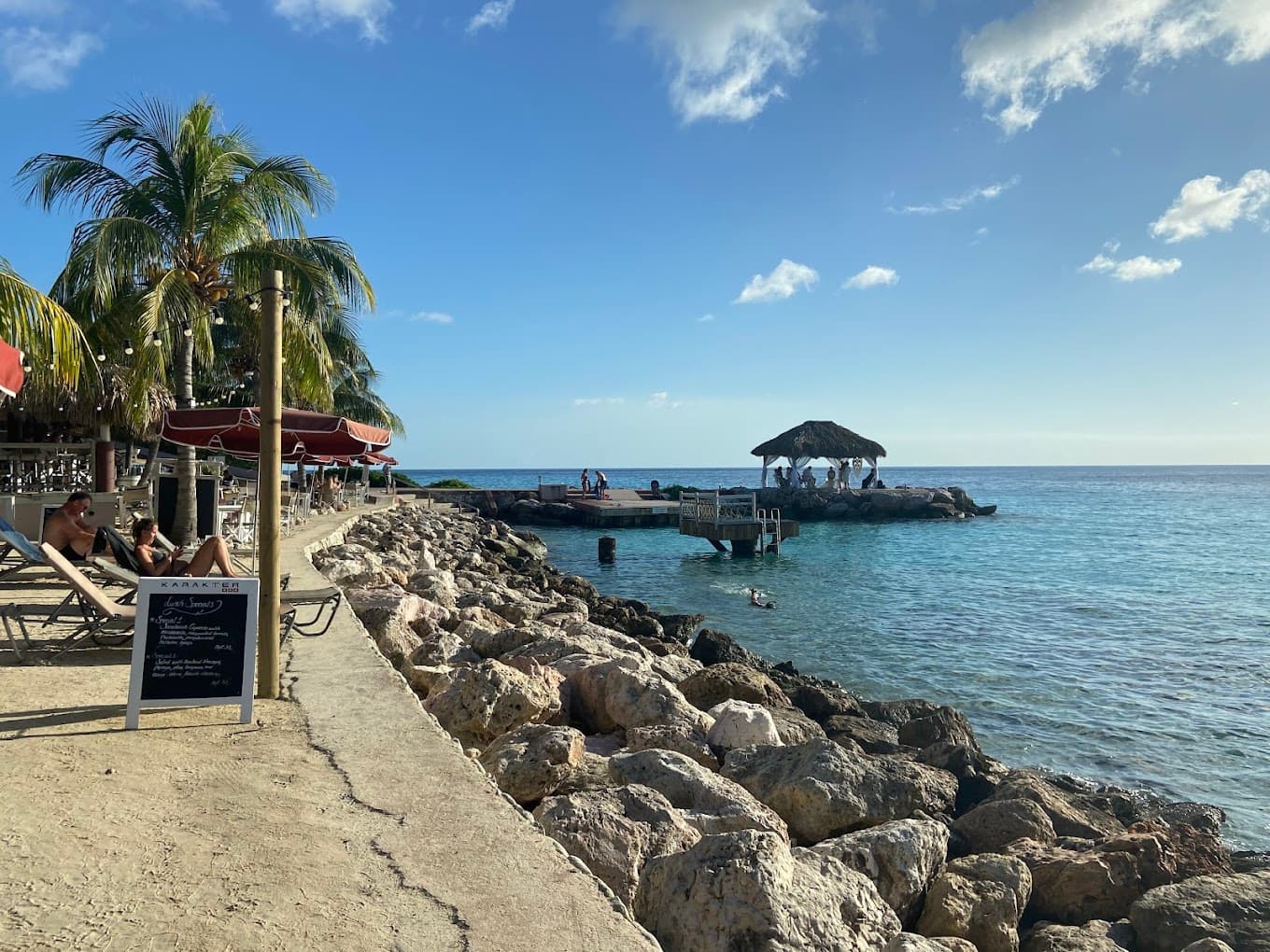
Tools
Plan & PlayTrip Planner
Build a personalized Curaçao itinerary based on your interests, travel dates, and favorite places.
Pre-Trip Checklist
BETAGet a personalized Curaçao travel checklist for visa, DI-Card, insurance and packing.
Live Webcams
Watch real-time views from Mambo Beach, Willemstad and more across Curaçao.
Ask the Iguana
Chat with our local expert for personalized tips and hidden gems.
Scan Curaçao
Point your camera at a place and get instant details and stories.
Weather
Live Curaçao weather forecasts and island conditions to plan your beach and travel days.
Events
Local Curaçao happenings, festivals, and sports events during your stay.
Surprise Me
Random DiscoveryNot sure where to go? Let us pick something for you — a hidden beach, a local restaurant, an activity or a hidden gem you might have missed.
Guides
Go DeeperBeach Tour
Explore the island’s most beautiful beaches with our interactive tour.
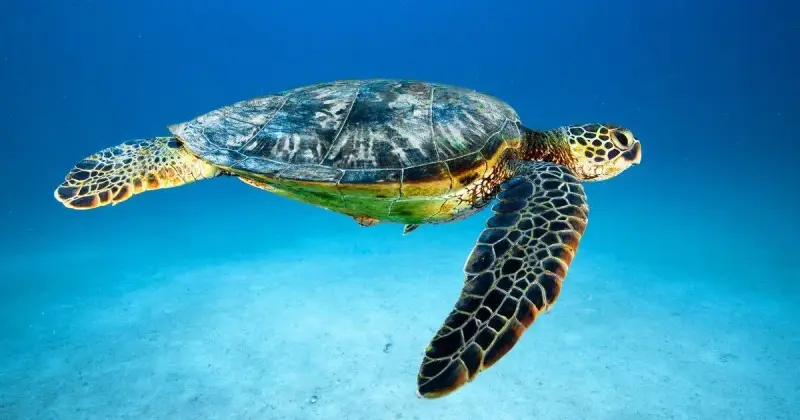
Underwater Curaçao
Sea turtles, eagle rays, coral reefs and historic wrecks.
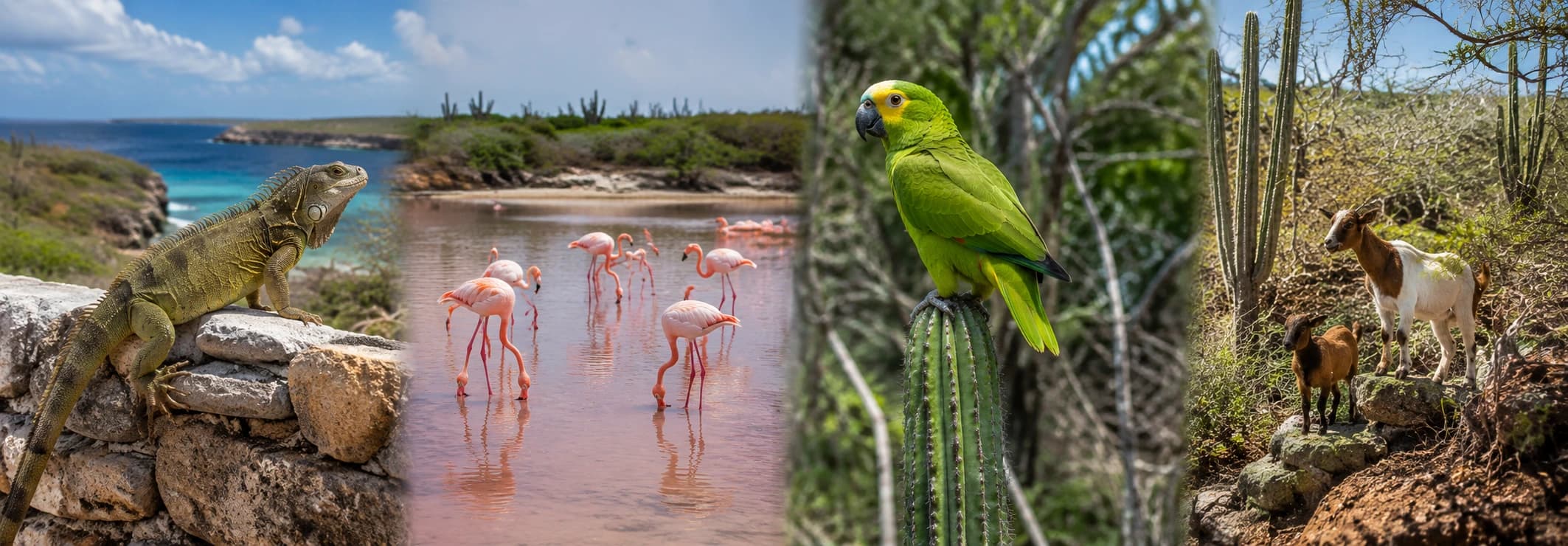
Wildlife
Iguanas, flamingos, parrots and the island’s natural residents.
Safety Guide
Beach, snorkeling, driving and hiking safety tips for Curaçao.
Respect Curaçao
Travel kindly: protect reefs, save water, support locals.
World Cup Curaçao
Beaches, sports bars and the ultimate football vacation.
Looking for the best car rental deals in Curaçao?

Affiliate disclosure: We may earn a commission if you book through this link, at no extra cost to you.
More
About & SupportFrequently Asked Questions
View allYes, Curaçao is generally considered one of the safest Caribbean islands for tourists. Most visitors stay in areas like Willemstad, Jan Thiel, Blue Bay and Mambo Beach without issues. Exercise normal precautions, avoid isolated areas at night, and secure your belongings.
The best time to visit Curaçao is from April to September when the weather is sunny, waters are calm, and there are fewer crowds. December to March is peak season with more visitors and higher prices. The island enjoys warm temperatures year-round (75-90°F/24-32°C).
Credit cards are widely accepted at hotels, restaurants, and larger establishments. However, cash is recommended for smaller shops, beach clubs, and tips. US dollars are accepted everywhere alongside the local Caribbean guilder (XCG, formerly ANG).
Curaçao is moderately priced compared to other Caribbean destinations. Budget travelers can manage with $80-120/day, while mid-range visitors spend $150-250/day. Dining out, activities, and accommodations are the main expenses. Free beaches and self-catering can help reduce costs.
Yes, Curaçao has excellent tap water quality, sourced from seawater desalination plants. It is safe to drink and often tastes better than bottled water. This is one of the few Caribbean islands where tap water is consistently safe for consumption.
The official languages are Dutch, Papiamentu, and English. Papiamentu is the local creole language spoken by most residents. English is widely understood in tourist areas, hotels, and restaurants. Spanish is also commonly understood due to proximity to South America.
Yes, US dollars are widely accepted throughout Curaçao. The exchange rate is fixed at 1 USD = 1.80 XCG (Caribbean guilder, formerly the Netherlands Antillean guilder or ANG). You can pay in USD at most places, and you will receive change in the local currency.
For a first visit, 5-7 days is ideal to explore the main attractions, beaches, and Willemstad. With 10-14 days, you can discover hidden gems, take day trips, and experience the island at a relaxed pace.
Kenepa Grandi (Kenepa Kok) is often considered the best beach for its stunning turquoise waters and cliff setting. Cas Abao is excellent for snorkeling. Mambo Beach offers amenities and activities.
Curaçao offers excellent snorkeling at Cas Abao, Kenepa Grandi, Playa Kalki, and the Tugboat wreck. The island's southern coast has calm, clear waters with healthy coral reefs.
Let's stay in touch!
Get exclusive travel tips, hidden gems and behind-the-scenes stories from Curaçao straight to your inbox.
SUBSCRIBE