One of the first questions almost every traveler asks before visiting Curaçao is simple:
“Is it safe?”
The short answer is yes. Curaçao is generally considered one of the safest islands in the Caribbean and millions of visitors travel here every year without problems. Most trips are relaxed, smooth, and completely stress-free.
But like anywhere in the world, the real answer is a little more nuanced than a simple yes or no.
After spending years living on the island, exploring different neighborhoods, driving across remote beaches, walking through Willemstad late at night, and talking with both locals and tourists regularly, we can say this honestly: Curaçao is very safe for travelers who use normal common sense.
If you’re planning your first trip, exploring beaches, or looking for local travel advice, you can also browse more island guides on https://therealcuracao.com/blog and plan your trip with resources from https://therealcuracao.com/plan.
One of the reasons visitors often feel comfortable quickly in Curaçao is the overall atmosphere of the island. Compared to many other Caribbean destinations, Curaçao feels organized, stable, and relatively relaxed. Tourism infrastructure is strong, roads are generally good, tap water is safe to drink, and many areas are modern and easy to navigate.
Violent crime involving tourists is rare. The vast majority of visitors spend their entire vacation worrying more about sunburn than personal safety.
That said, petty theft does exist, especially in tourist-heavy areas. Leaving phones, wallets, bags, or cameras visible inside rental cars is one of the most common mistakes visitors make. Curaçao is safe, but it is still smart to treat valuables carefully, exactly as you would in Europe, the United States, or any major tourist destination.
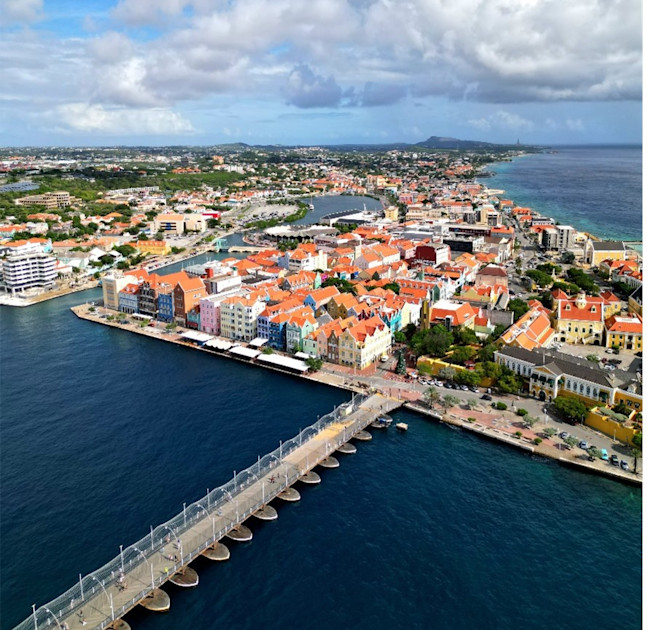
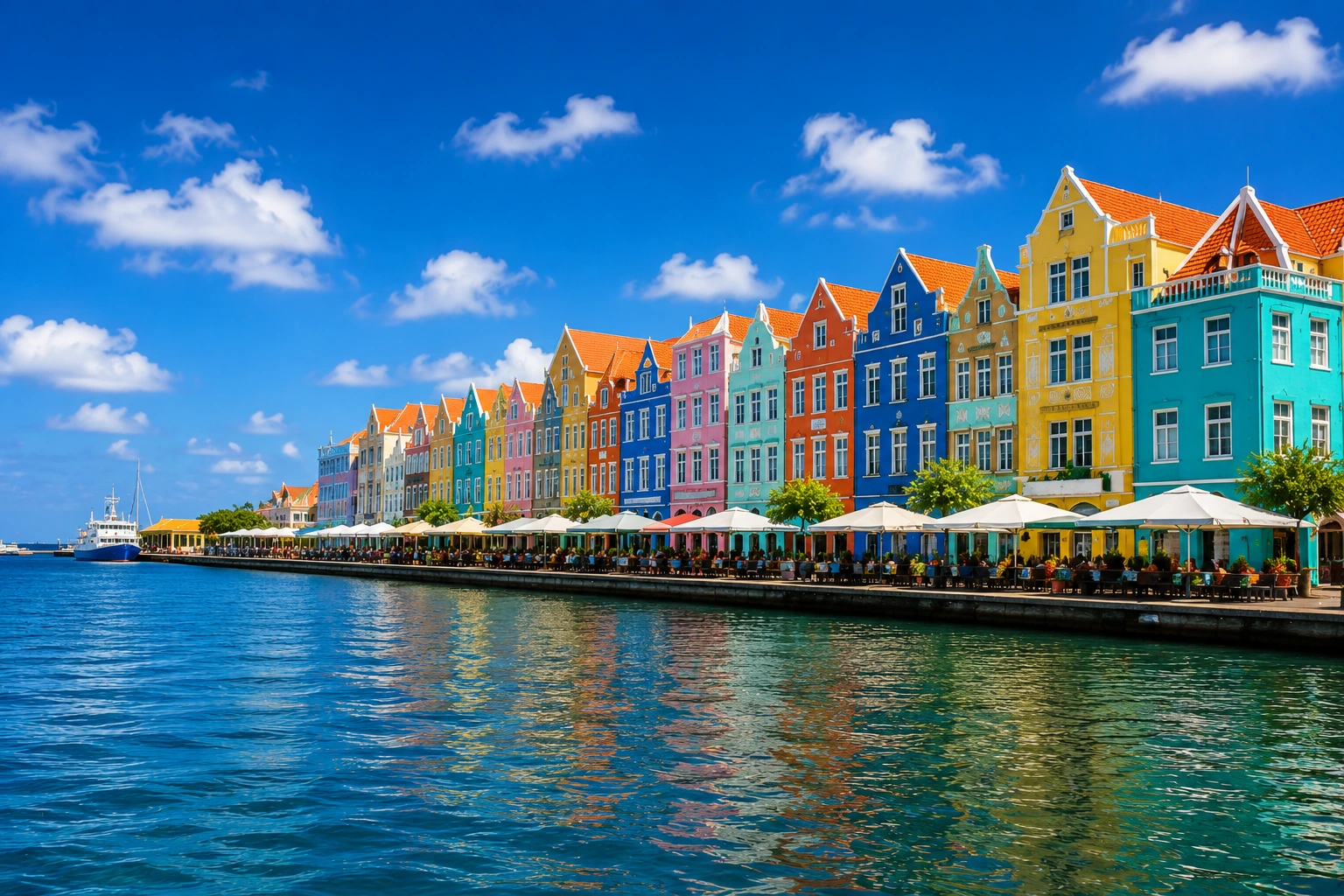
Most of the popular tourist areas are considered very safe during the day and evening. Places like Punda, Otrobanda, Jan Thiel, Blue Bay, Mambo Beach, and the resort zones are regularly full of tourists, families, restaurants, beach bars, and locals enjoying the island. Willemstad in particular feels lively and social, especially near the waterfront, Queen Emma Bridge, and the colorful historic center.
During the day, exploring the island feels extremely comfortable for most travelers. Beaches are busy, snorkeling spots are active, and many visitors drive around the island independently without issues.
At night, things become slightly different — not dangerous, but more about awareness.
Like in almost any destination, isolated or poorly lit areas are better avoided late at night, especially if you are alone or unfamiliar with the surroundings. Some remote beaches may feel deserted after dark, and certain quiet areas outside tourist zones simply aren’t places where visitors need to wander around at 2AM looking for “hidden local vibes.”
Common sense goes a long way here.
If a place feels isolated, empty, or uncomfortable at night, it’s usually smarter to leave and head toward more active areas.
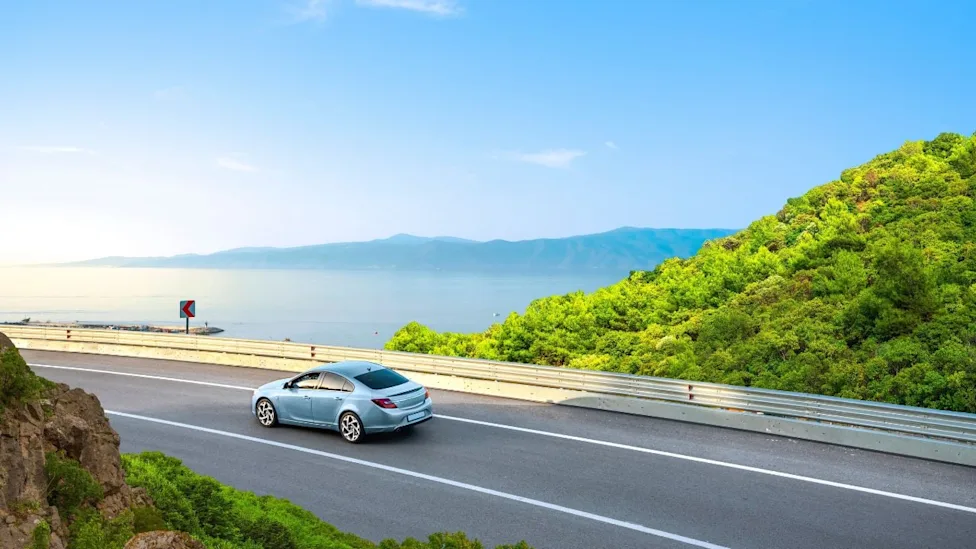
Transportation in Curaçao is generally safe and easy for tourists. Rental cars are extremely common and honestly one of the best ways to experience the island. Curaçao is much larger than many first-time visitors expect, and having your own vehicle gives you access to hidden beaches, scenic viewpoints, hiking areas, and local restaurants that would otherwise be difficult to reach.
Driving itself is relatively straightforward, although roads can become dark at night outside central areas. Some streets have limited lighting, occasional potholes, or unexpected turns, so extra caution after sunset is always smart, especially if it’s your first time driving on the island.
Taxis are regulated and commonly used around hotels, beaches, and tourist zones. Public transportation exists and is generally safe during daytime hours, though most travelers prefer rental cars simply for convenience and flexibility.
Health and medical safety is another area where Curaçao performs very well compared to many Caribbean destinations. One thing that surprises many visitors is that the tap water is perfectly safe to drink and actually has excellent quality. Unlike many tropical destinations where travelers constantly buy bottled water, Curaçao’s drinking water is clean, reliable, and safe across the island.
Medical facilities in Willemstad are modern, pharmacies are easy to find, and there are no major tropical disease concerns affecting regular tourists. The biggest “health risk” for most visitors is honestly dehydration or sun exposure after spending too many hours outside without enough water or sunscreen.
And yes, the Caribbean sun here is stronger than many people expect.
Very strong.
Especially:
• on boats,
• while snorkeling,
• hiking,
• or driving with windows down all afternoon pretending you’re in a travel commercial.
Travel insurance is still highly recommended of course, simply because unexpected things can happen anywhere. It’s one of those things you hope you never need, but are very happy to have if something goes wrong.
One of the best safety habits in Curaçao is simply staying aware without becoming paranoid. You do not need to spend your vacation nervous or constantly worrying. Most visitors quickly notice how relaxed the island feels. Families walk around Willemstad at night, tourists explore beach clubs comfortably, and sunset spots across the island fill with people every evening.
Still, basic precautions always help. Avoid displaying expensive jewelry unnecessarily, keep valuables secured, lock rental cars properly, and avoid leaving phones or bags unattended on beaches while swimming. Small habits prevent most problems before they ever happen.
If you enjoy exploring local areas, hidden beaches, scenic roads, and less touristy spots, you can find more travel tips and island guides on https://therealcuracao.com/guides and local recommendations on https://therealcuracao.com/vlog.
Another thing worth mentioning is that Curaçao has a very international atmosphere. You’ll hear multiple languages everywhere, including English, Dutch, Spanish, and Papiamentu. Tourism is deeply integrated into daily life here, so visitors usually feel welcomed quickly and can navigate the island easily without speaking the local language.
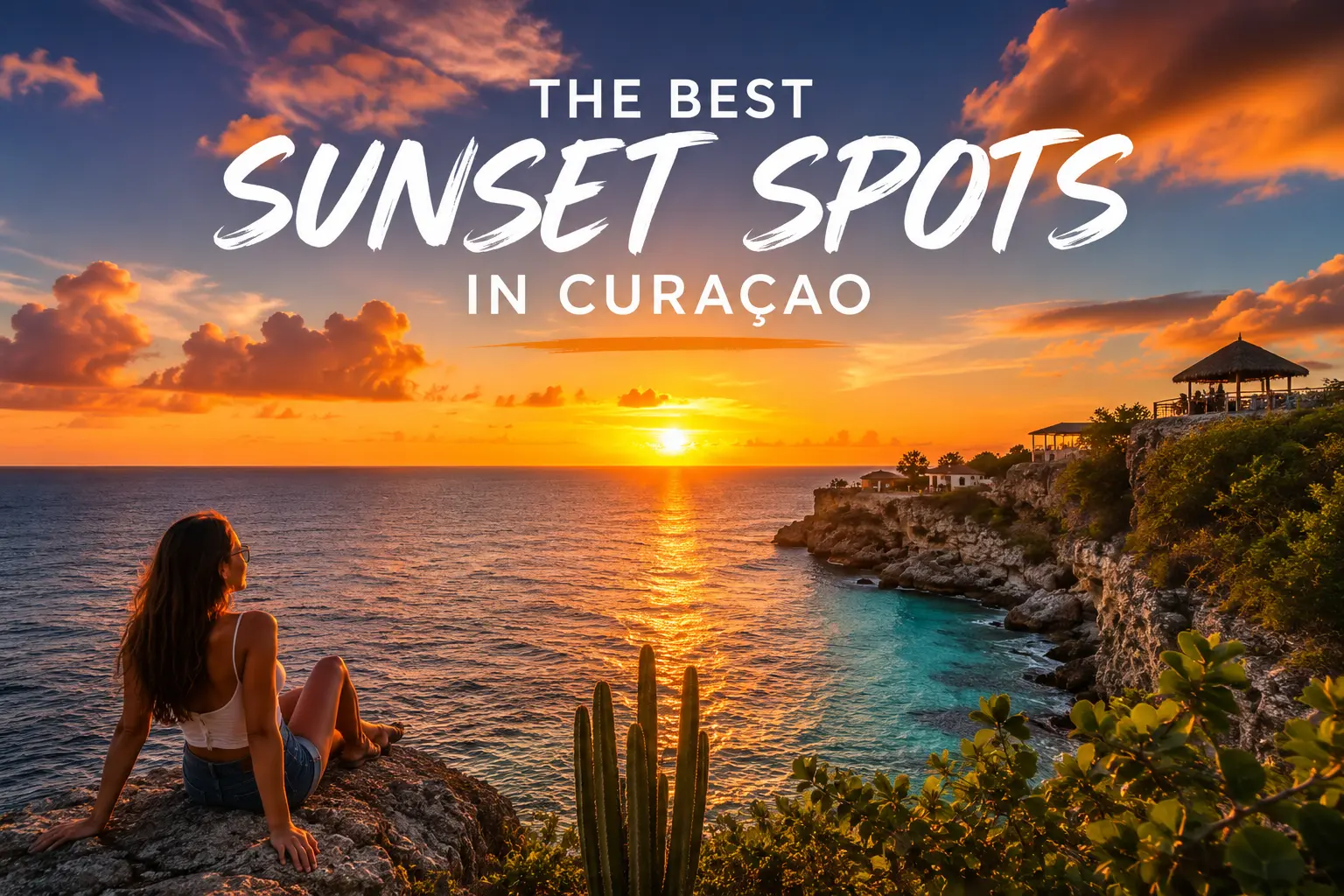
At the end of the day, Curaçao is not a place where most travelers spend their vacation worrying about safety. It’s a place where people spend hours watching sunsets, snorkeling in turquoise water, driving coastal roads, eating long dinners near the ocean, and accidentally taking far too many beach photos.
Like any destination, problems can happen if people ignore basic precautions completely. But for travelers who use normal awareness and common sense, Curaçao is one of the safest, easiest, and most comfortable Caribbean islands to explore.
And honestly, after a few days here, most visitors stop asking whether Curaçao is safe and start asking themselves why they didn’t visit sooner.
For more travel advice, hidden beaches, activities, itineraries, and local recommendations, explore:
https://therealcuracao.com/blog
https://therealcuracao.com/guides