Most visitors come to Curaçao for its crystal-clear water, colorful architecture, and beautiful beaches. But beyond the postcard-perfect scenery lies an island filled with fascinating stories, unique traditions, and surprising history. The more time I spend exploring Curaçao, the more I discover that every corner of the island has something unexpected to teach you.
Here are 15 fascinating facts that might make you see Curaçao differently.
- Curaçao Is One of the Most Multicultural Islands in the Caribbean
Despite its relatively small size, Curaçao is home to more than 55 nationalities. This incredible cultural diversity is reflected in the island’s cuisine, music, architecture, festivals, and daily life. Walking through Willemstad, it’s common to hear several languages spoken within just a few minutes.
- Four Languages Are Commonly Spoken
Curaçao is one of the most multilingual places in the Caribbean. Papiamentu, Dutch, English, and Spanish are widely spoken across the island. Most locals effortlessly switch between multiple languages depending on the situation.
- The Colorful Buildings of Willemstad Were Once White
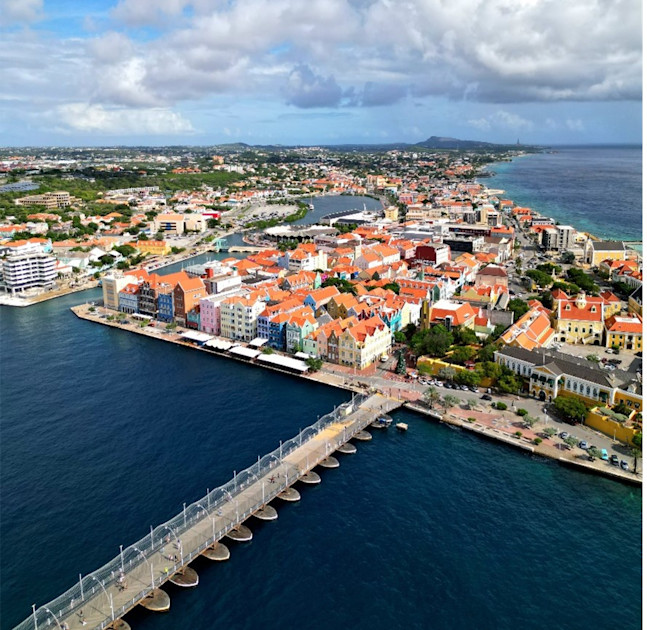
The iconic waterfront buildings along Handelskade weren’t always colorful. Historically, they were painted white. Over time, the bright Caribbean sun reflecting off the facades became uncomfortable, leading to the vibrant palette that has become one of Curaçao’s most recognizable features.
- The Island Has Its Own Native Deer
The Curaçao White-tailed Deer, locally known as Biná, is found nowhere else in the world. This rare deer has adapted to the island’s dry climate and remains one of Curaçao’s most unique native animals.
- Blue Curaçao Comes From a Local Fruit
The famous Blue Curaçao liqueur gets its distinctive flavor from the Laraha, a bitter orange that grows naturally on the island. Although the liqueur is famous for its blue color, the original drink was actually clear.
- Curaçao Lies Outside the Main Hurricane Belt
Unlike many Caribbean destinations, Curaçao enjoys year-round warm weather with a significantly lower risk of direct hurricane strikes. This makes it a popular destination throughout the year.
- The Queen Emma Bridge Once Had a Toll
Before 1934, people had to pay to cross the floating Queen Emma Bridge. Interestingly, only those wearing shoes were charged. Barefoot pedestrians crossed for free, leading some residents to remove their shoes before crossing.
- The Oldest Synagogue in the Americas Is Here
The Mikvé Israel-Emanuel Synagogue, founded in 1651, is the oldest continuously operating synagogue in the Western Hemisphere. Its famous sand-covered floor remains one of the island’s most unique historical features.
- The Harbor Helped Shape Curaçao’s History
Willemstad’s deep natural harbor made Curaçao one of the Caribbean’s most important trading centers for centuries. Even today, it remains a key part of the island’s economy and maritime identity.
- The Two Stars on Curaçao’s Flag Have Meaning
Many visitors notice the two white stars on the flag but don’t know what they represent. The larger star symbolizes Curaçao, while the smaller star represents Klein Curaçao, the small uninhabited island located southeast of the mainland.
- Klein Curaçao Is More Than Just a Beach Paradise
Today, Klein Curaçao is famous for its pristine beaches and crystal-clear water. However, the island also has a rich and sometimes difficult history that dates back to the colonial era.
- Curaçao Is a Shore Diving Paradise
Unlike many destinations where boats are required to reach dive sites, Curaçao offers dozens of world-class reefs that can be accessed directly from shore. This is one of the reasons divers return year after year.
- Christoffelberg Is the Island’s Highest Point
Standing at 372 meters (1,220 feet), Christoffelberg is the highest point on Curaçao. The summit offers breathtaking panoramic views across the island and, on exceptionally clear days, views extending far into the Caribbean Sea.
- A Local Legend Holds the Christoffelberg Speed Record
Rhendy Cuevas, known by many locals as the “legend of Christoffelberg,” climbed the mountain in an astonishing 8 minutes and 54 seconds. He later climbed it 15 times within 24 hours to raise money for charity.
- Every Part of Curaçao Has Its Own Personality
From the rugged cliffs of Shete Boka and the wild landscapes of Westpunt to the colorful streets of Pietermaai and the upscale atmosphere of Jan Thiel, each region of Curaçao offers a completely different experience. Exploring beyond the beaches is one of the best ways to truly understand the island.
Final Thoughts
What makes Curaçao special isn’t just the turquoise water or beautiful beaches. It’s the stories behind the places, the blend of cultures, the centuries of history, and the unique traditions that continue to shape the island today.
Whether you’re visiting for a week or living here for years, Curaçao always seems to reveal something new. That’s one of the reasons so many people fall in love with the island—and keep coming back.