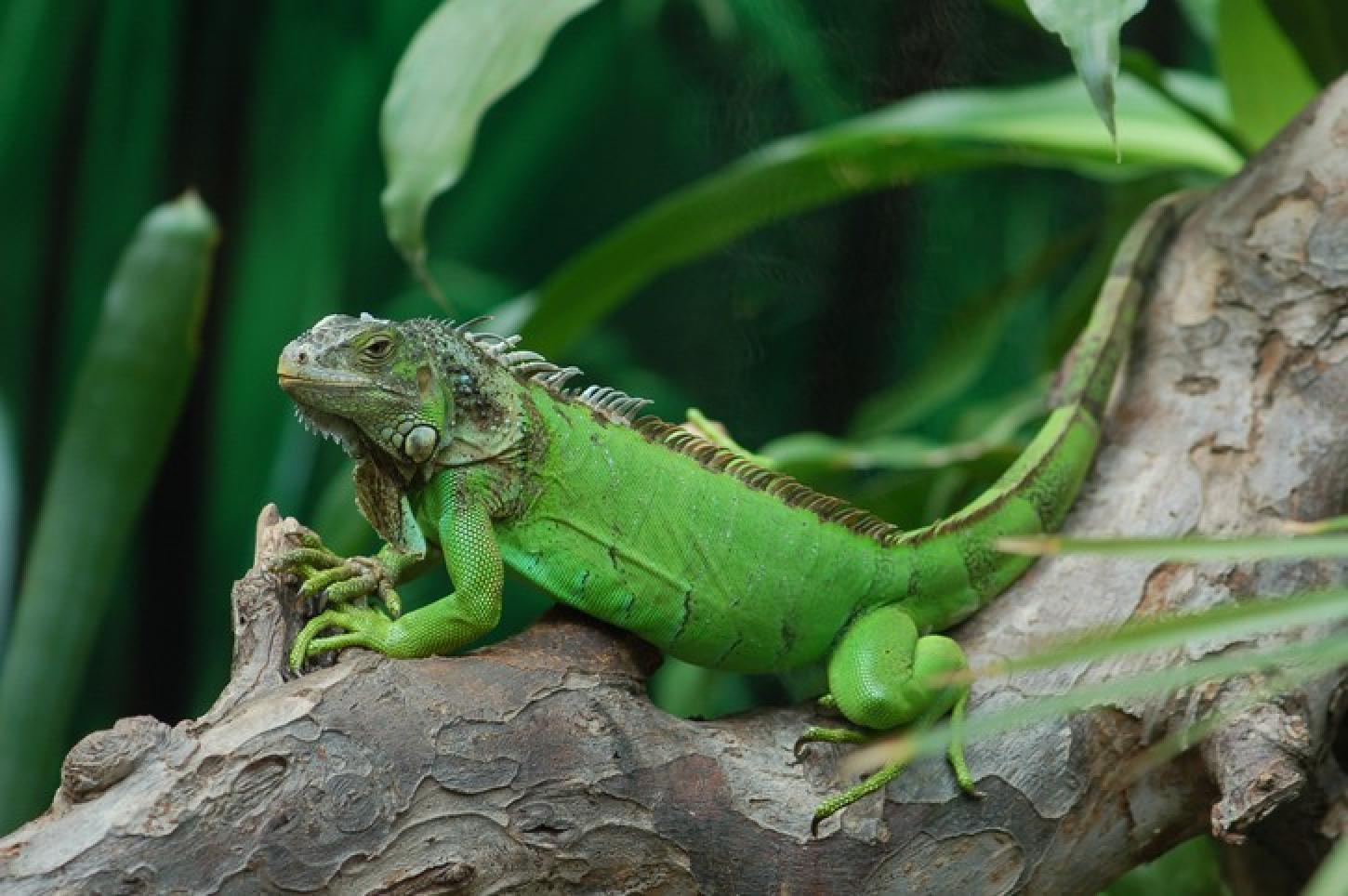
Green Iguana
🦎Yuana
"Curaçao iguanas are a distinct subspecies — larger and darker than their South American cousins. The males turn bright orange during mating season (Jan–Mar)."
Terrestrial Wildlife of the Island
Beyond the reef, the island has a wild side most visitors never see. Iguanas sunning on ancient walls. Flamingos wading through pink salt pans. Parrots screaming through dry forest. Here's where to find them.
From the ubiquitous to the critically endangered — all wild, all free.

Yuana
"Curaçao iguanas are a distinct subspecies — larger and darker than their South American cousins. The males turn bright orange during mating season (Jan–Mar)."

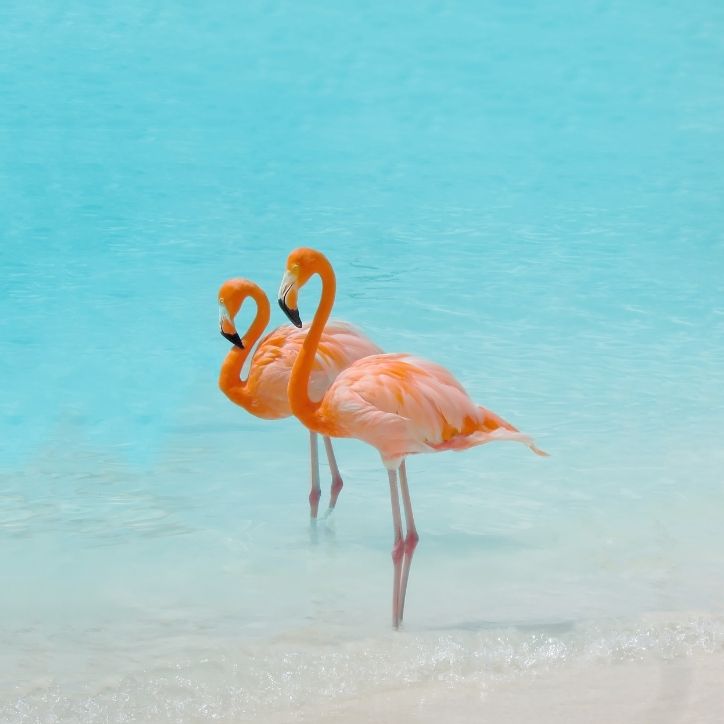
Chogogo
"Their pink color comes entirely from the beta-carotene in the brine shrimp and algae they eat. A flamingo deprived of this diet turns white within months."

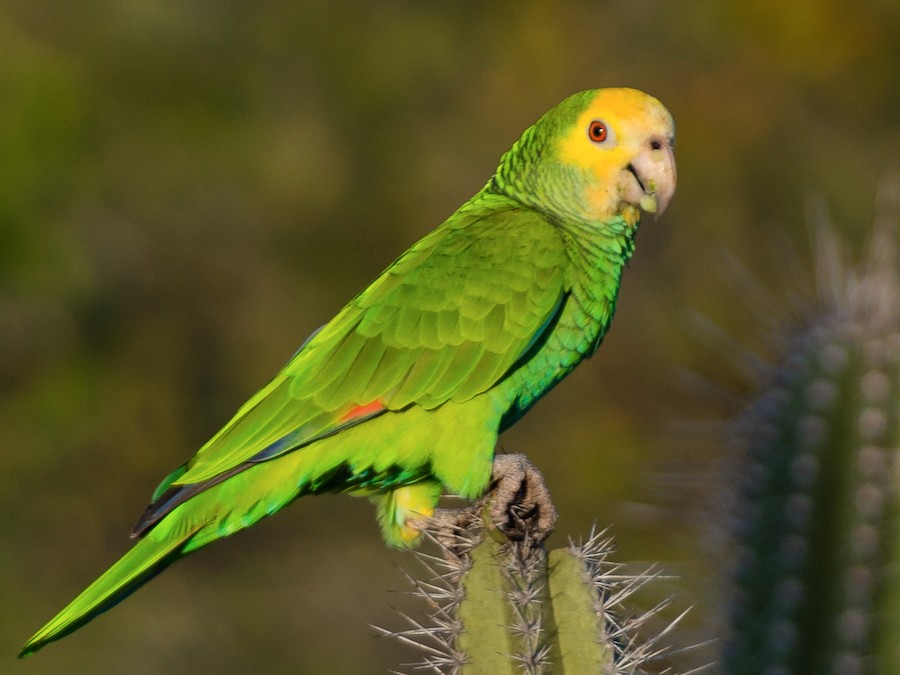
Lora
"The Lora is endemic to Curaçao and Bonaire — found nowhere else on Earth. Fewer than 1,000 remain in the wild due to habitat loss and illegal pet trade."

Buriku Montaña
"Descendants of donkeys brought by Spanish colonizers in the 1500s to work the salt flats. When the salt trade ended, they were released and have roamed free ever since."

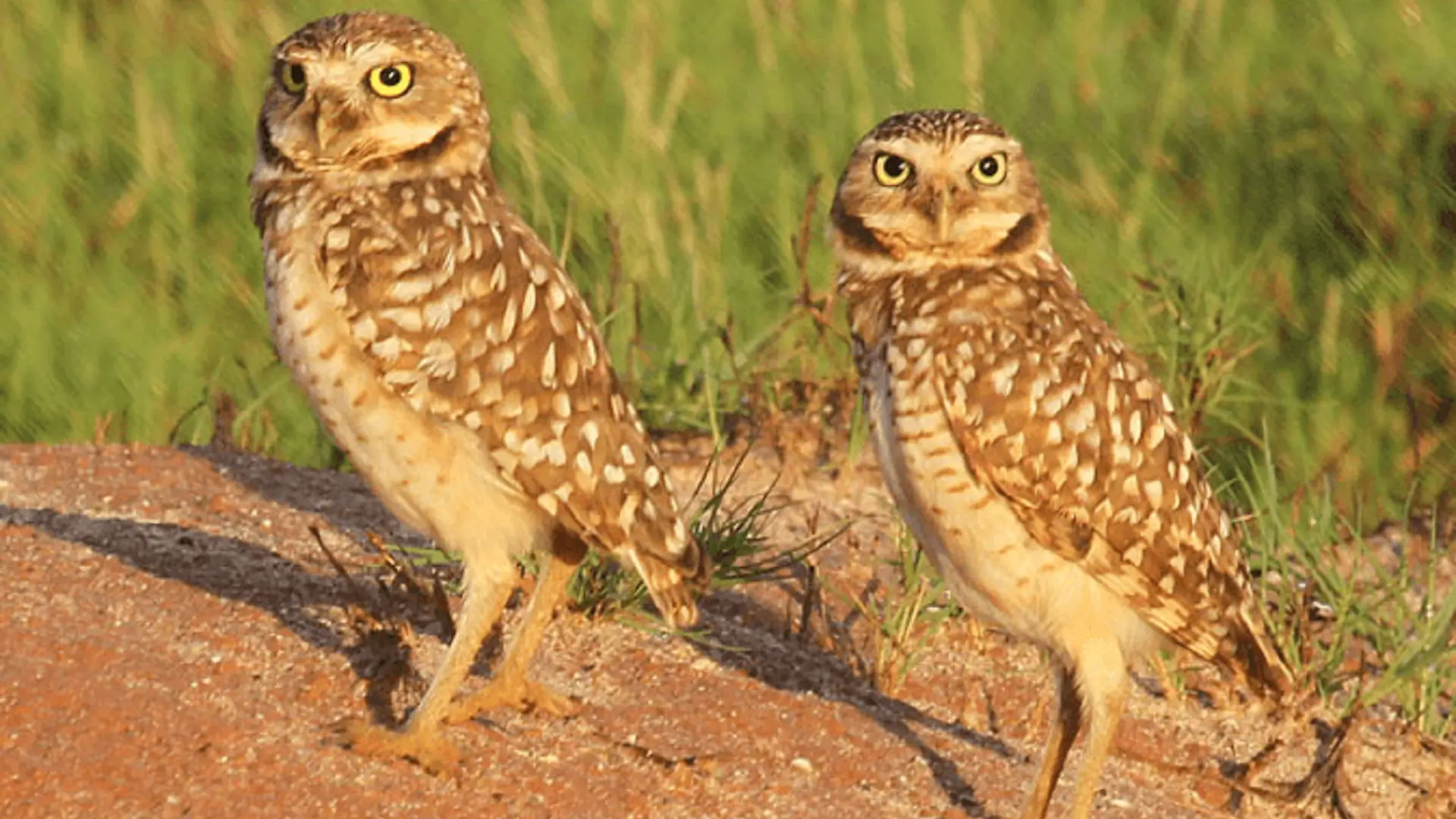
Shoco
"The Shoco is beloved across the ABC islands (Aruba, Bonaire, Curaçao). Unlike most owls, they're active during the day and nest in underground burrows, often abandoned by other animals."

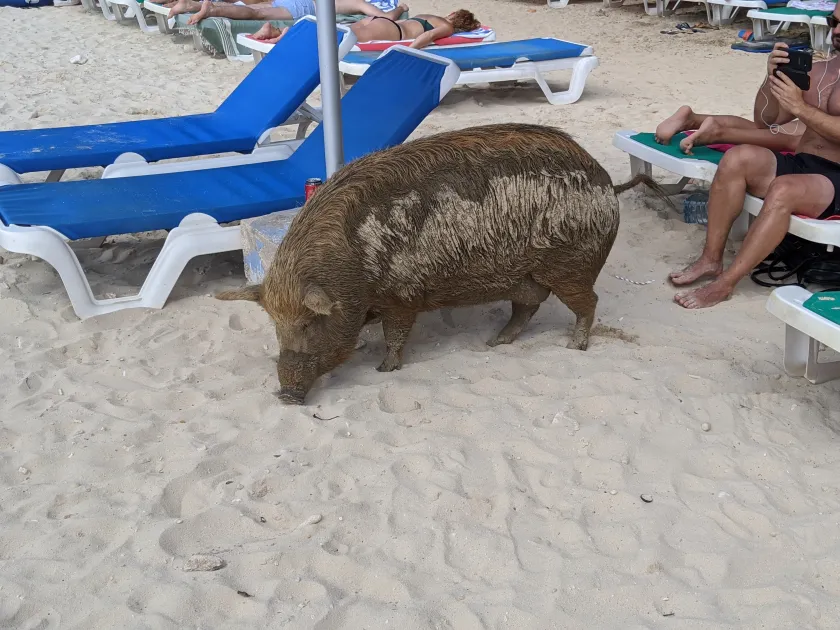
Kochino di Porto Mari
"The Porto Mari pigs are among Curaçao's most unusual wildlife encounters. These free-roaming pigs have become local celebrities and are often seen wandering around the beach entrance and parking area in search of shade and snacks."

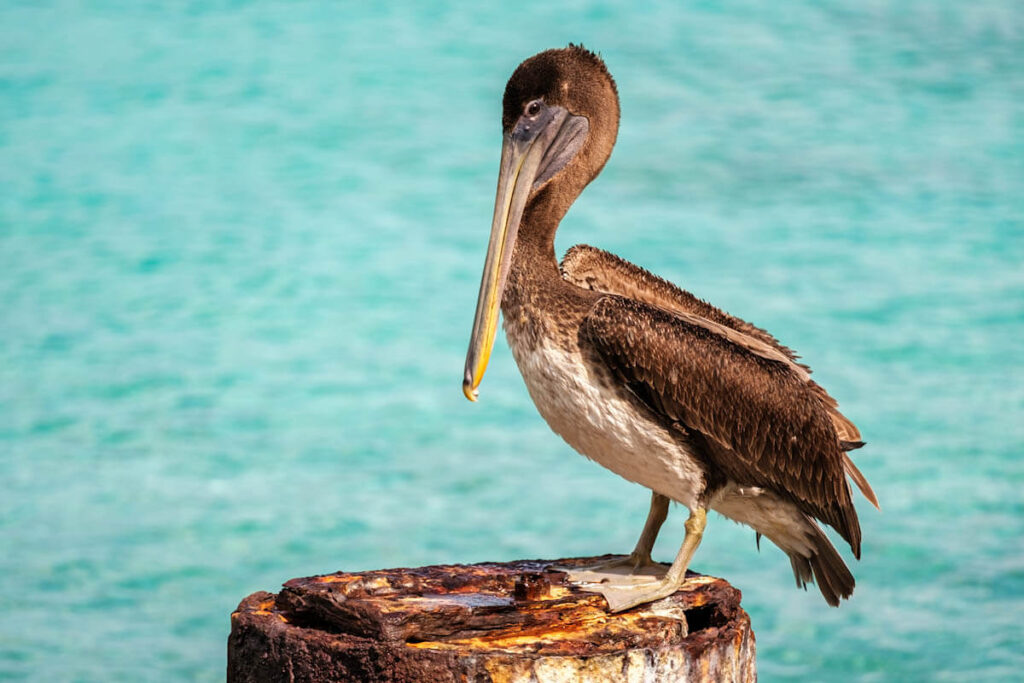
Bubi
"Brown pelicans dive-bomb fish from up to 10m in the air, hitting the water at 60 km/h. The impact is cushioned by air sacs under their skin. Their throat pouch can hold 3x more than their stomach."

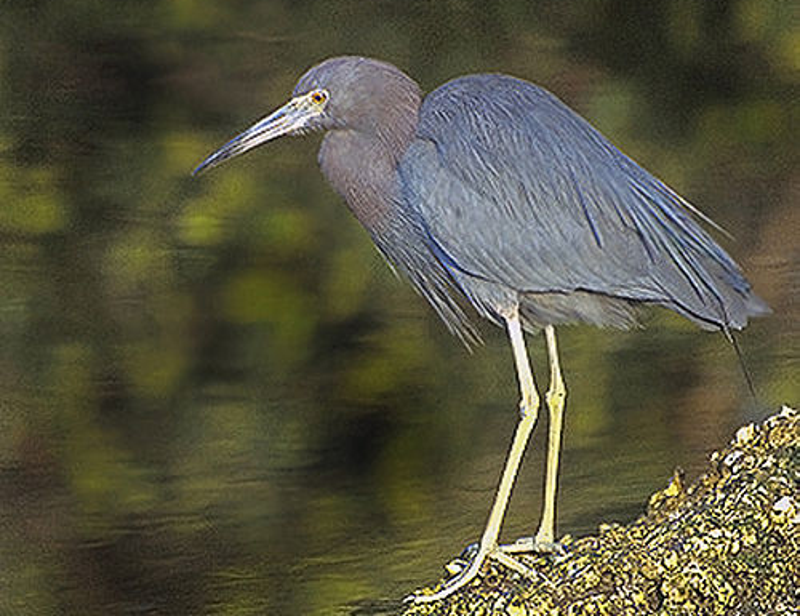
Garsa Blou
"Great blue herons stand completely motionless for minutes at a time — then strike so fast the movement is nearly invisible to the naked eye. They swallow fish whole headfirst."

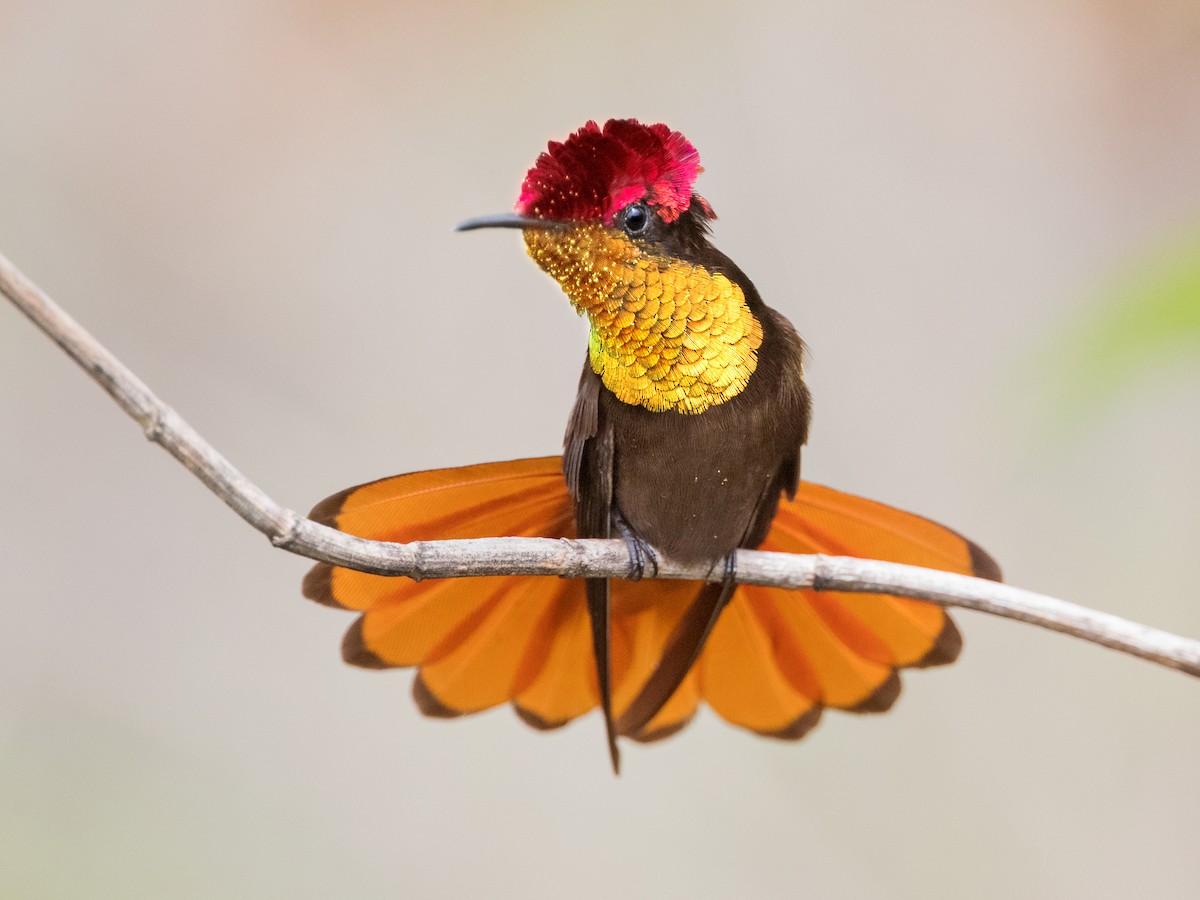
Kolibri
"The ruby-topaz hummingbird is one of the most colorful hummingbirds in the Caribbean. Their wings beat up to 80 times per second, allowing them to hover in place while feeding."

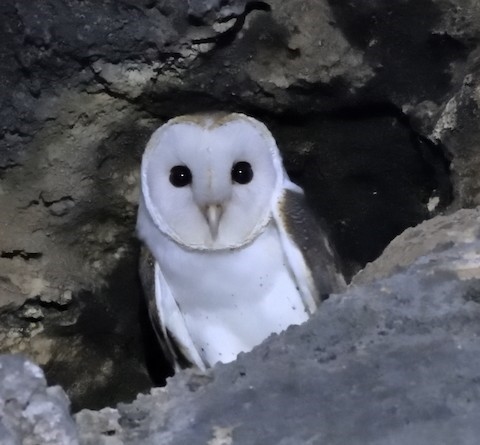
Mochu
"Barn owls have one of the most efficient hunting records of any predator — they can locate prey by sound alone in complete darkness. Their heart-shaped face acts as a sound dish."

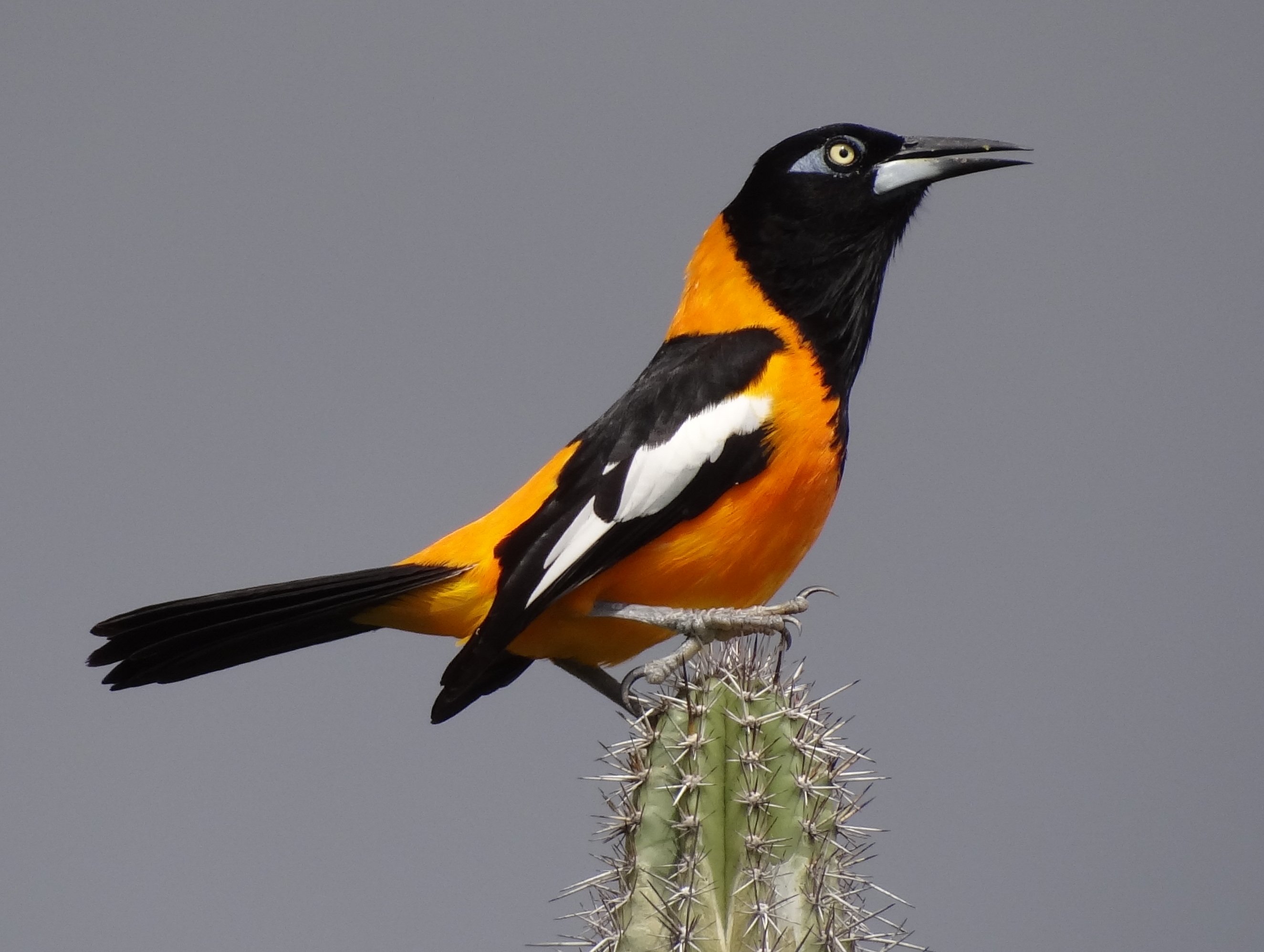
Trupial
"The Venezuelan troupial is the national bird of Venezuela but also common in Curaçao. They're known for their beautiful singing and bright orange-black plumage."

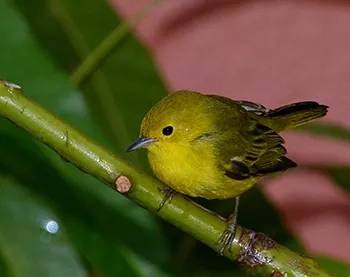
Pichichi
"Yellow warblers are migratory birds that travel thousands of miles between North and South America. Curaçao is an important stopover point on their migration route."

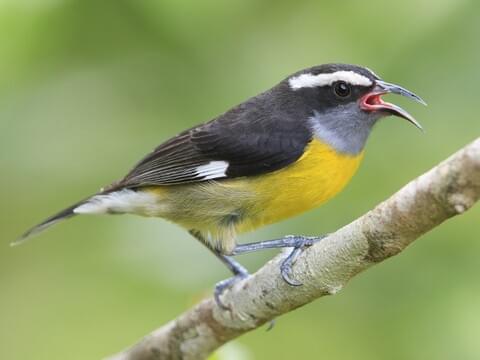
Barika Hel
"Bananaquits are bold little birds that often visit feeders. They have a distinctive curved bill perfect for extracting nectar from flowers. They'll also eat fruit and insects."

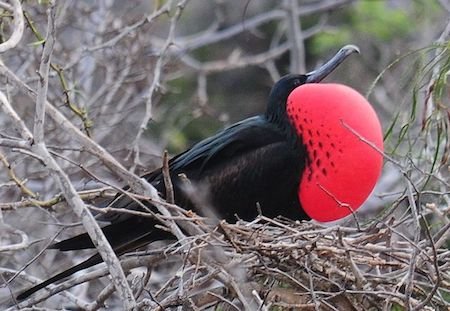
Fregata
"Frigatebirds have the largest wingspan-to-body ratio of any bird — up to 2.3 meters. They can fly for weeks without landing and are famous for stealing food from other birds in mid-air."

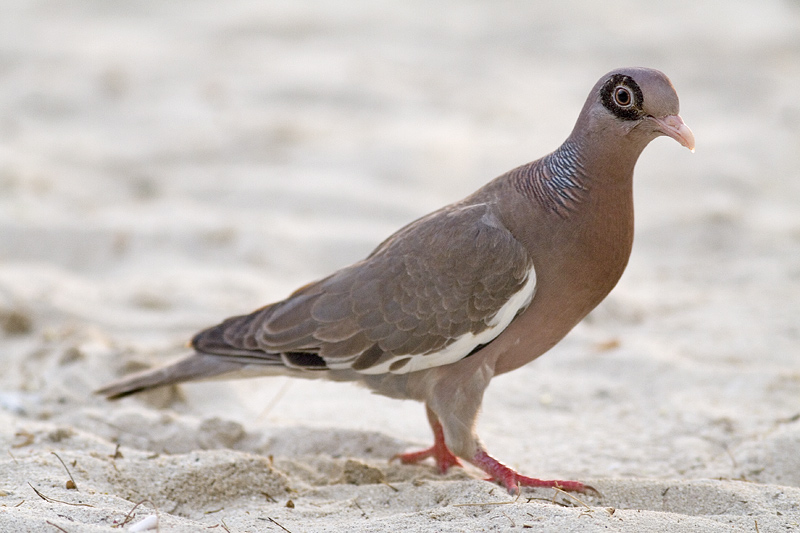
Patru
"The Bare-eyed Pigeon is endemic to the ABC islands — found nowhere else on Earth. Their distinctive bare eye patch gives them their name. They're one of the most common birds on Curaçao."

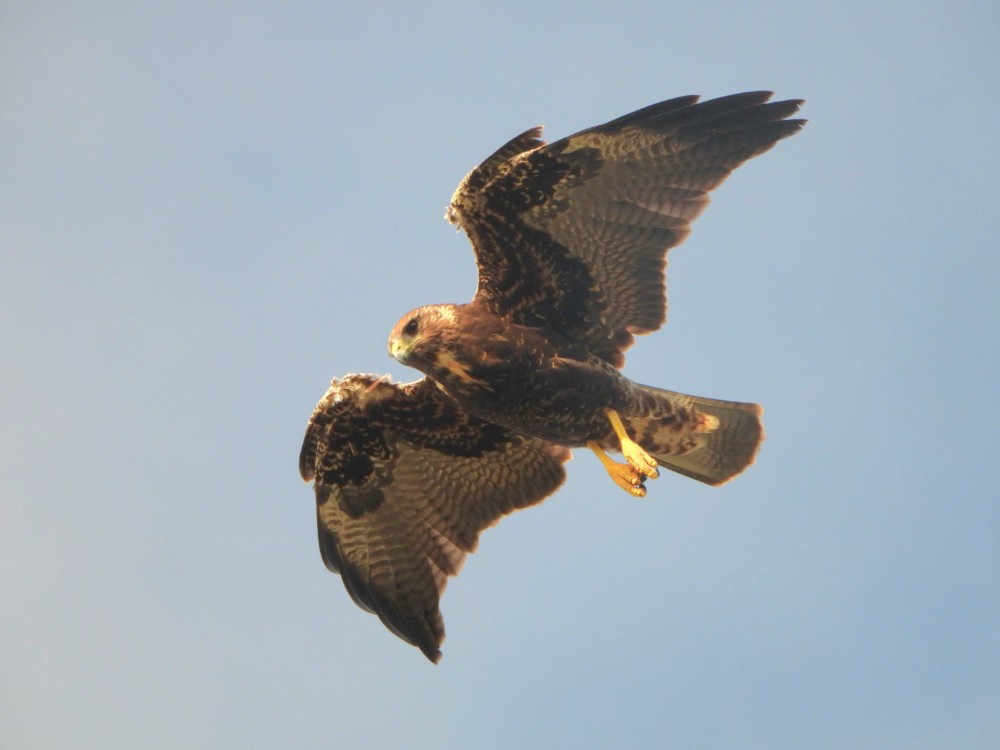
Hawk
"The white-tailed hawk is the largest raptor on Curaçao. They soar high above the island scanning for prey. Their distinctive white tail is visible from great distances."

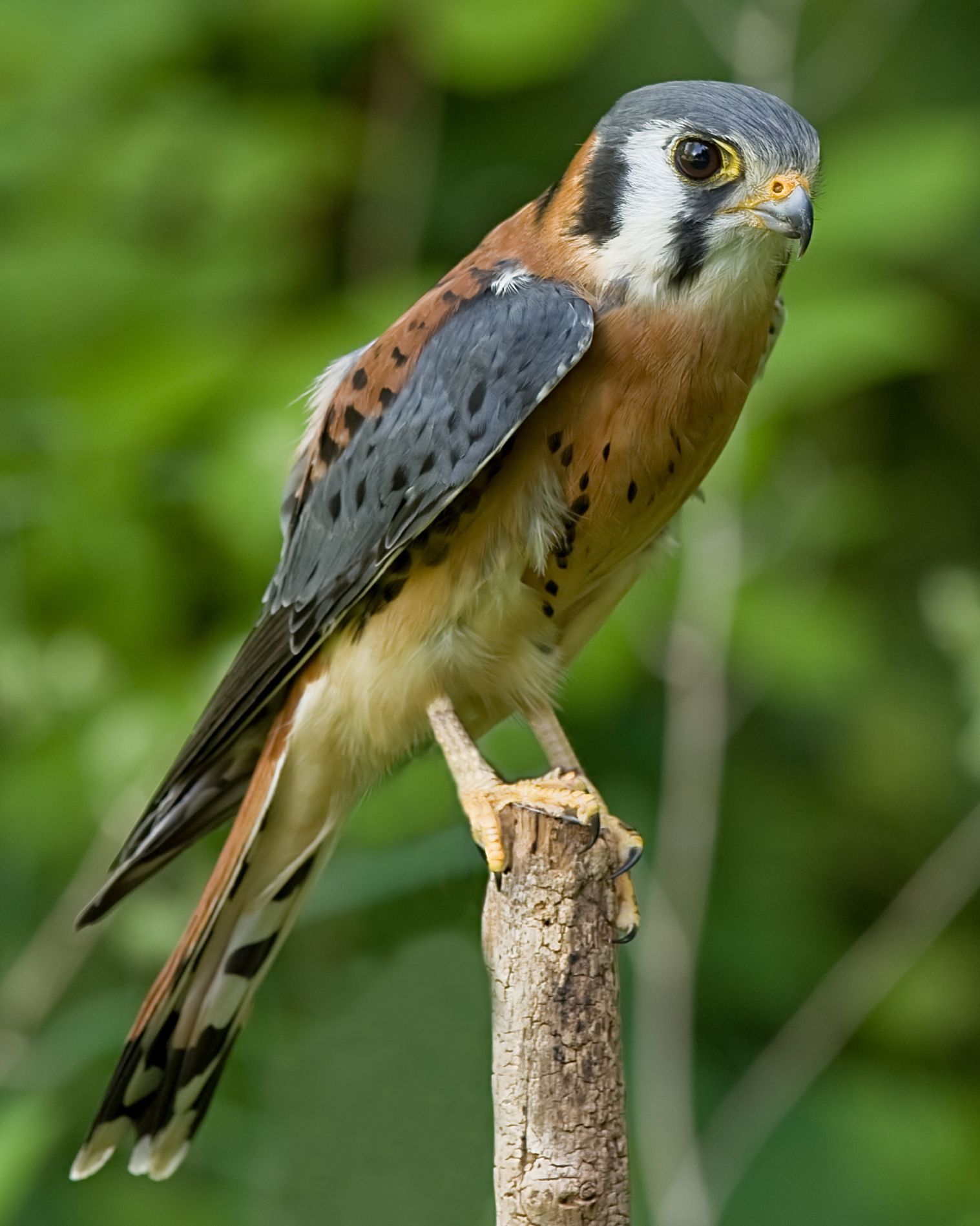
Kestrel
"The American kestrel is the smallest falcon in North America. Despite their size, they're fierce hunters that can spot prey from 100 feet away. They often hover in place like a helicopter before diving."

Osprey
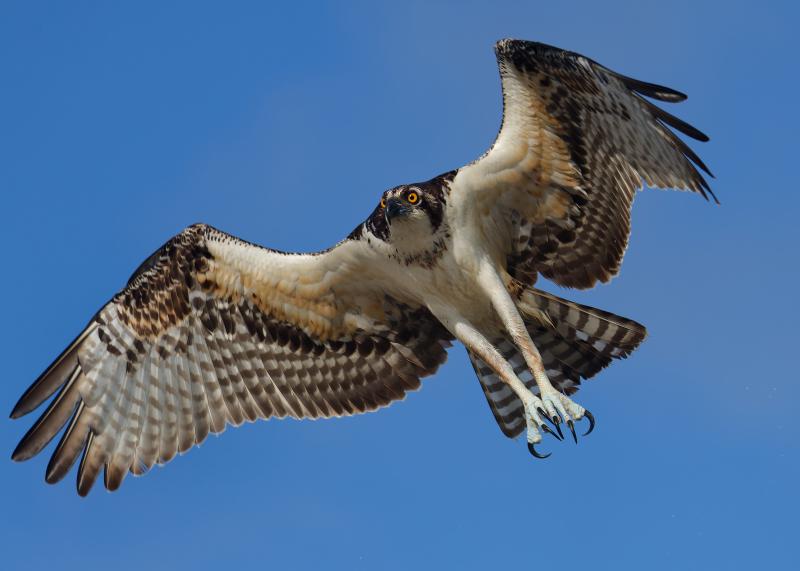
"Ospreys are seasonal visitors to Curaçao, migrating from North America. They're fish specialists with reversible outer toes and barbed foot pads for gripping slippery prey."

Lagartija
"Anoles can change color from brown to green based on mood and temperature. Males have a colorful dewlap (throat fan) they display to attract females and defend territory."

Teki
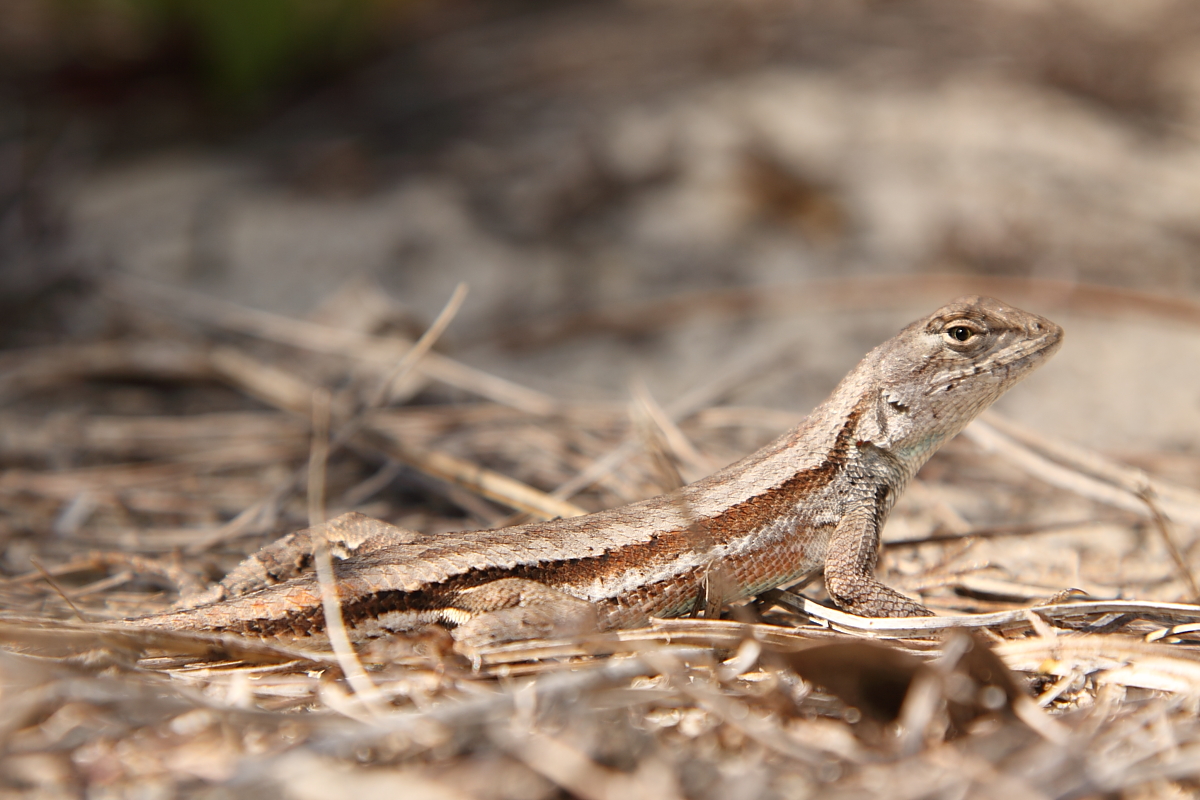
"Scrub lizards are perfectly adapted to Curaçao's dry climate. They can go long periods without water and are most active during the hottest parts of the day when other animals hide."

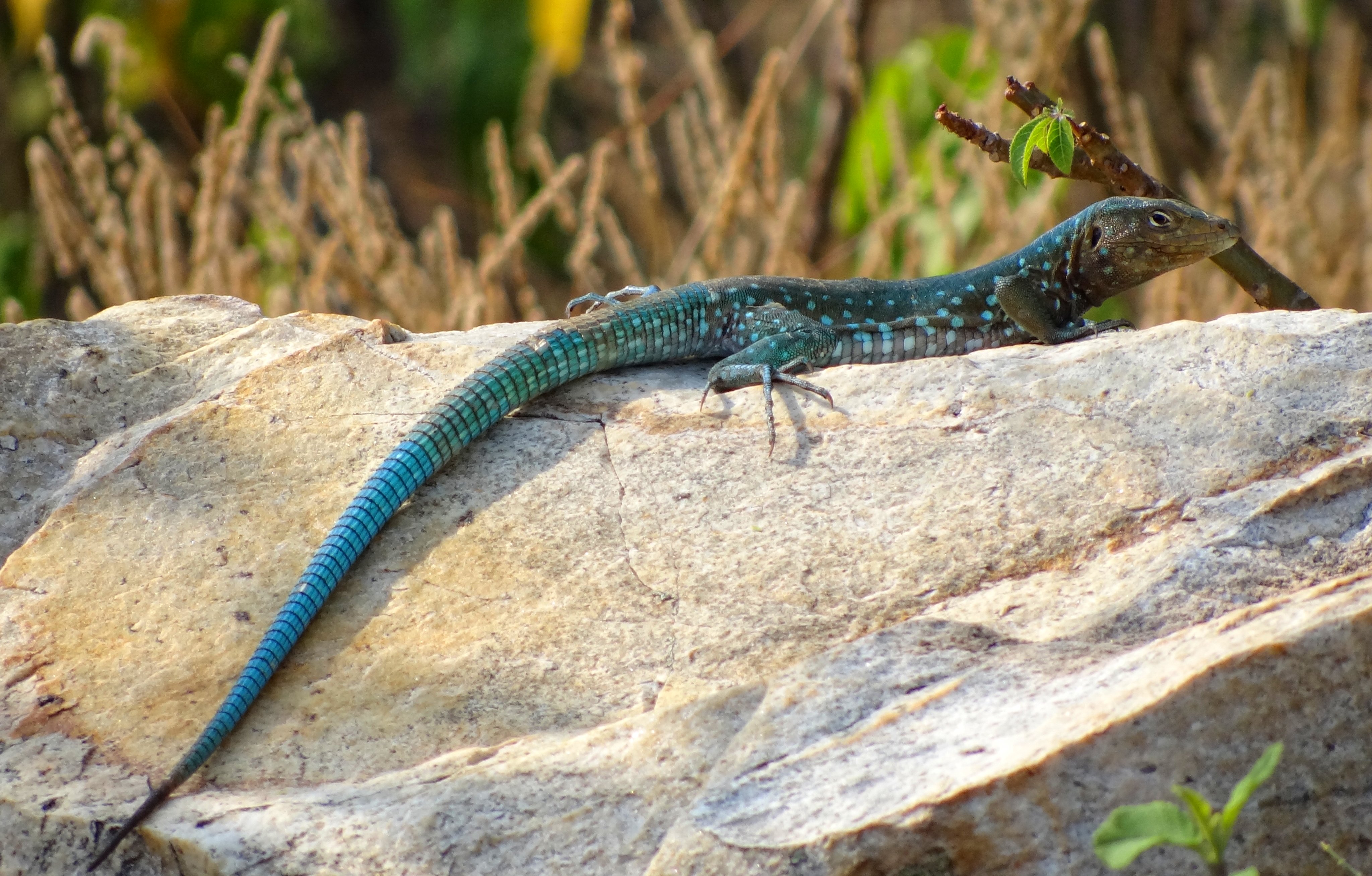
Lagartija Azul
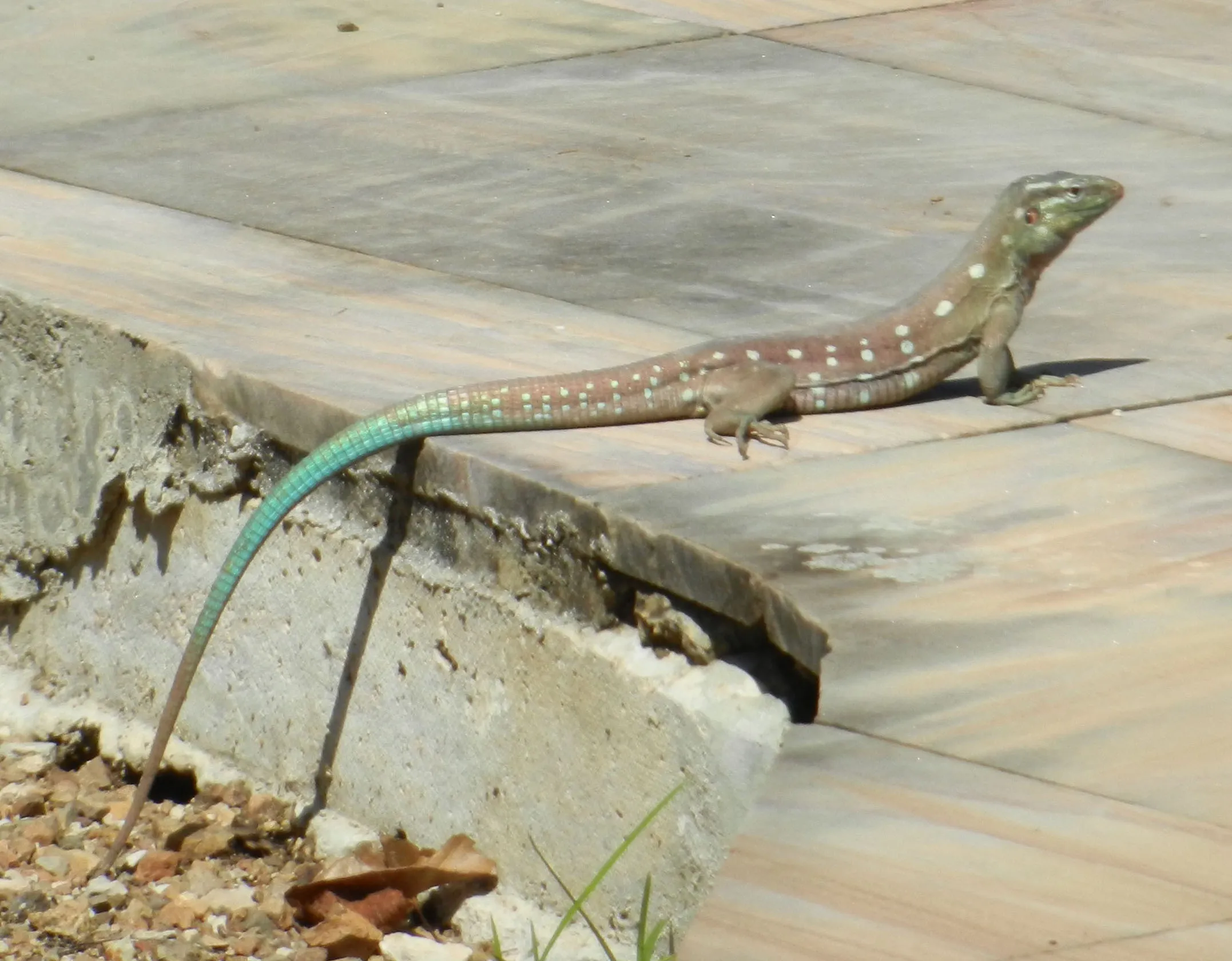
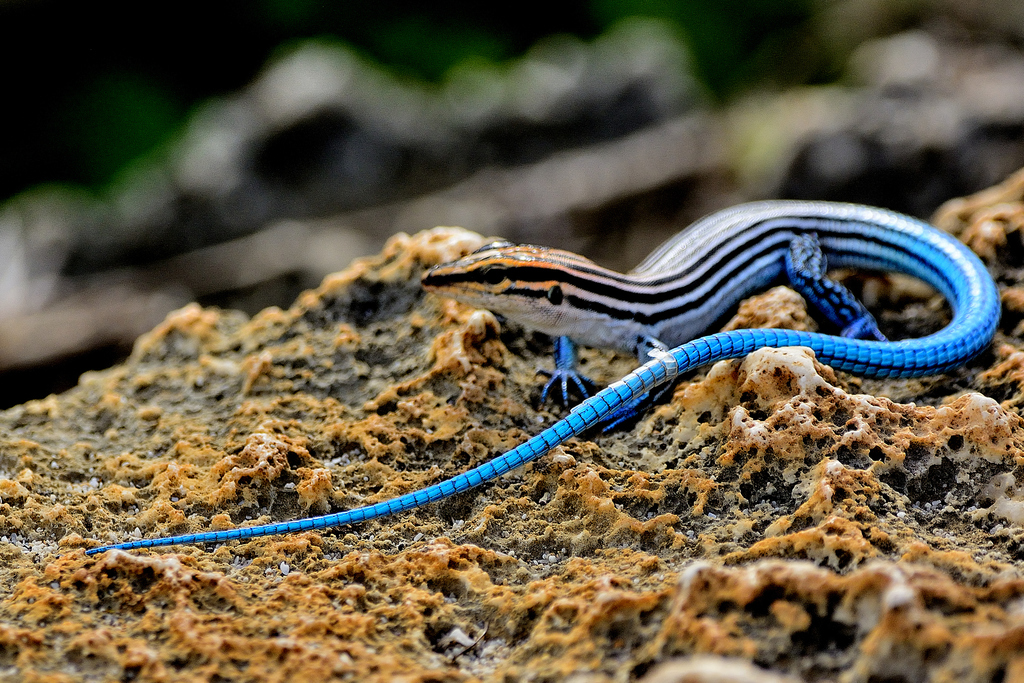
"The blue-tailed ameiva is one of the most beautiful lizards in the Caribbean. Males have brilliant blue tails that they use to attract females and intimidate rivals. They're fast runners and excellent climbers."

Teki di Kòrsou
"The Curaçao whiptail is endemic to the island — found nowhere else. These lizards are all-female and reproduce through parthenogenesis (asexual reproduction), making every individual a clone of its mother."

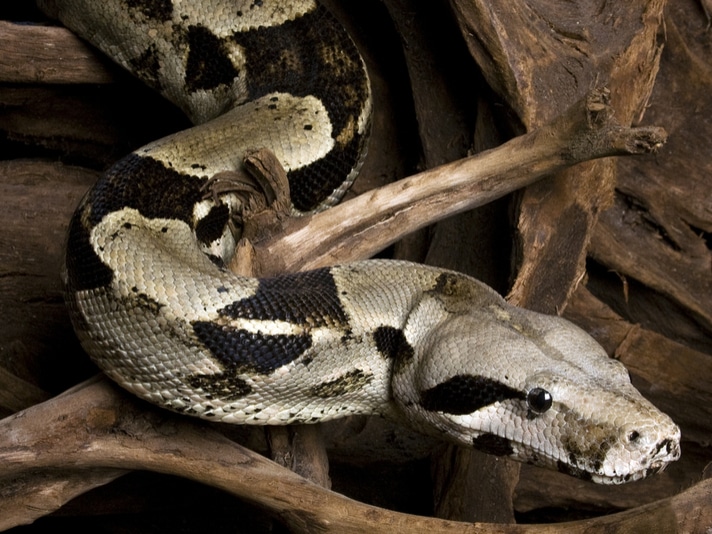
Boa
"Curaçao's boa constrictors are non-venomous and generally docile. They were likely introduced to the island and have established a small population. They can grow up to 2 meters long."

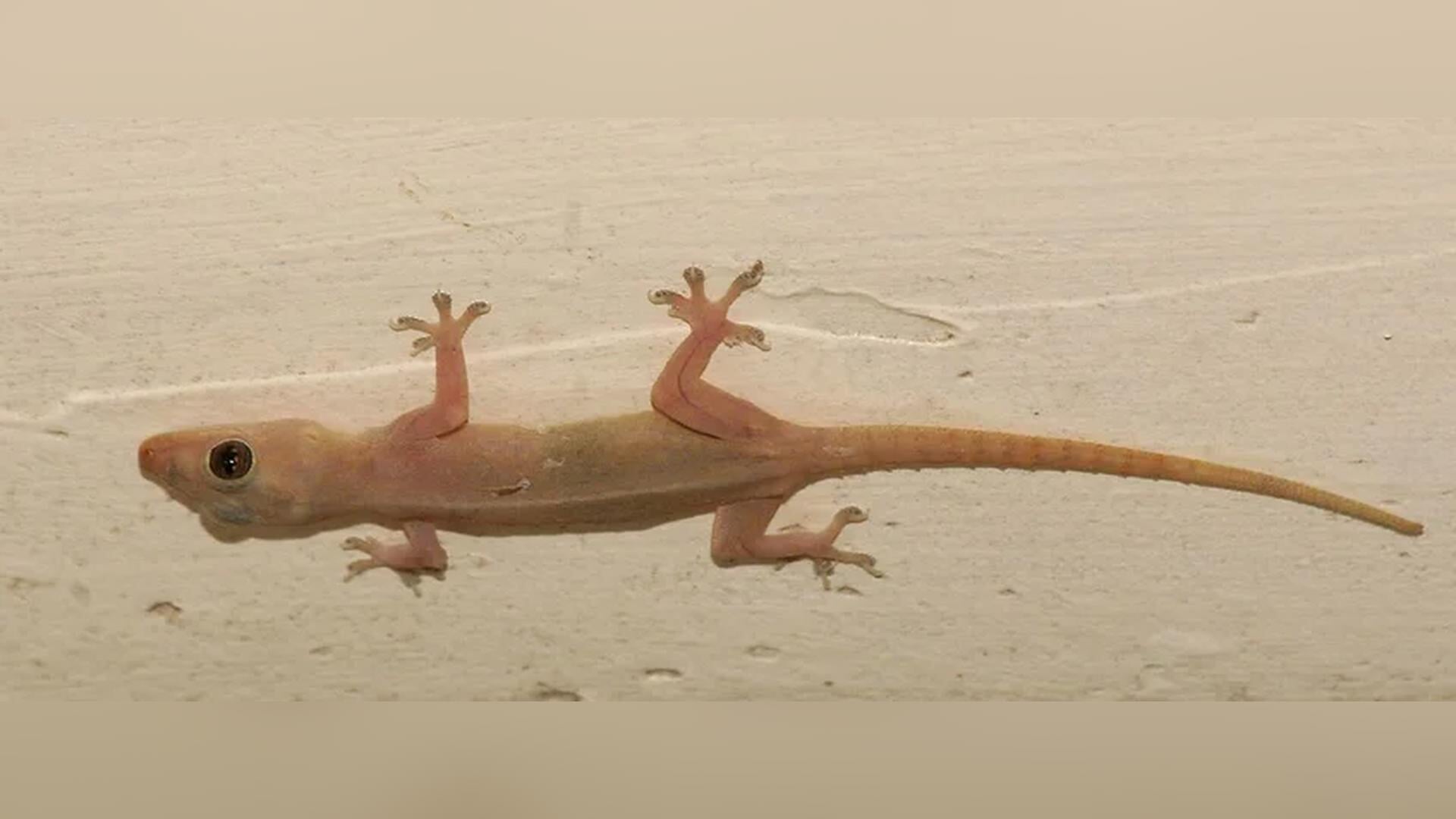
Tokay
"House geckos are perfectly adapted to human habitation. They can climb smooth vertical surfaces thanks to microscopic hairs on their toe pads. They're beneficial — they eat mosquitoes and other pests."

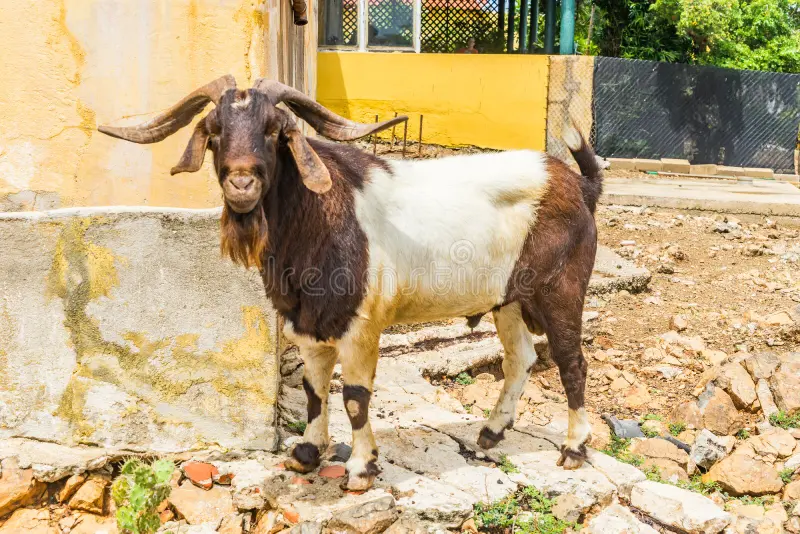
Kabrita
"Wild goats have heavily shaped Curaçao's landscape over 500 years — their grazing prevents forest regrowth, which is why the island looks more like a dry savanna than a tropical jungle."

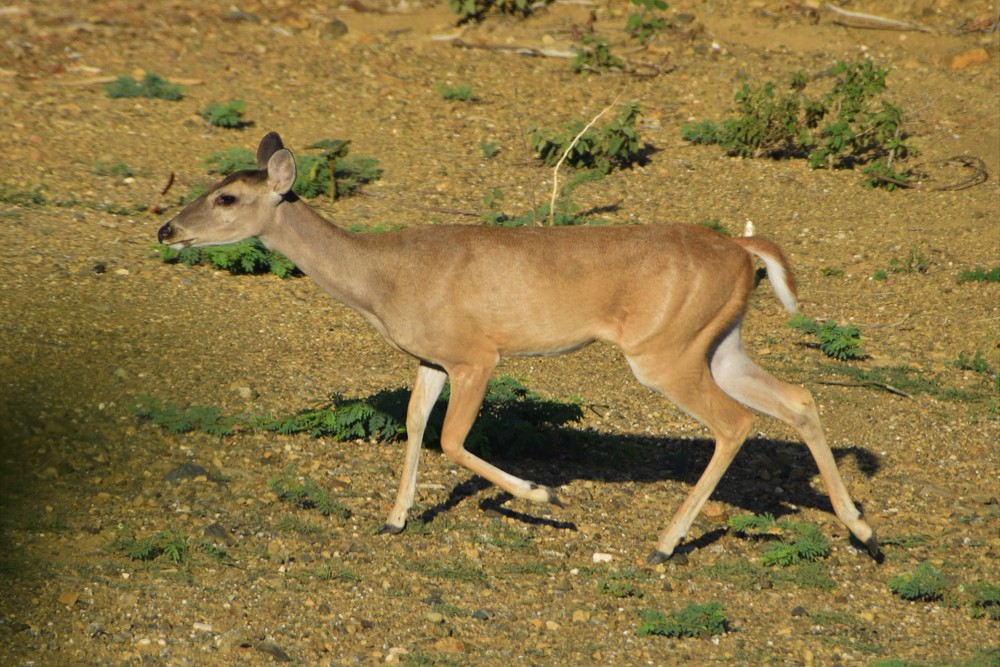
Bèrdèchi
"Curaçao's white-tailed deer are among the smallest in the Caribbean, adapted to the island's dry scrubland. The population was nearly hunted to extinction in the 20th century."

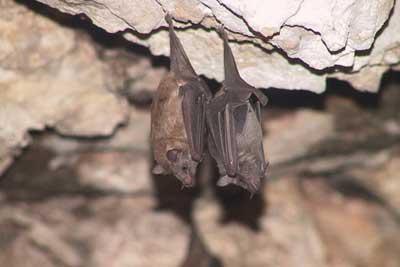
Bladòpi
"Hato Caves is home to a significant colony of bats. These nocturnal mammals play a crucial role in the ecosystem by controlling insect populations and pollinating plants."

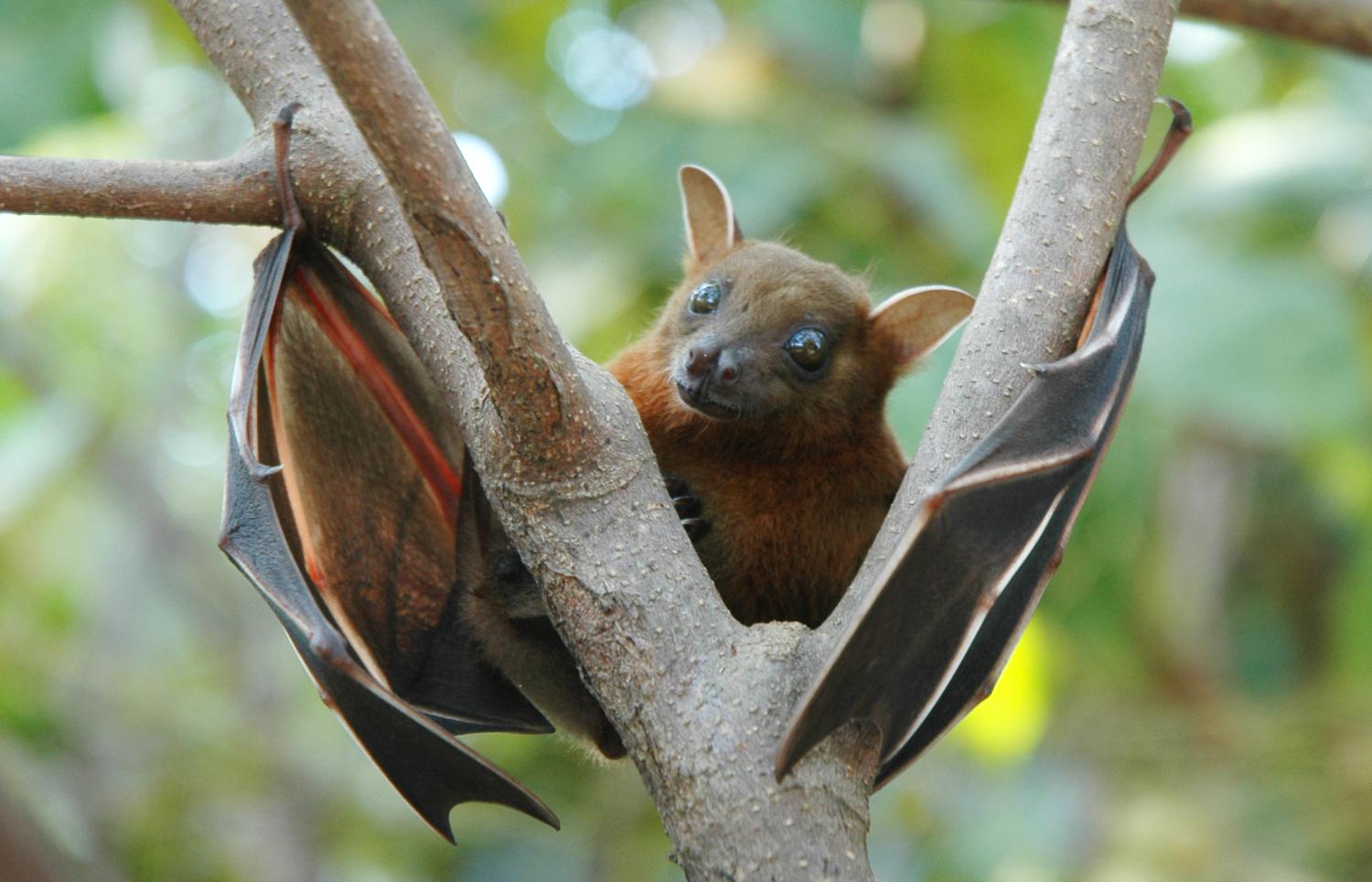
Bladòpi di Fruta
"Fruit bats are important pollinators and seed dispersers for many tropical plants. They use echolocation to navigate but can also see well. Their wings are actually modified hands."

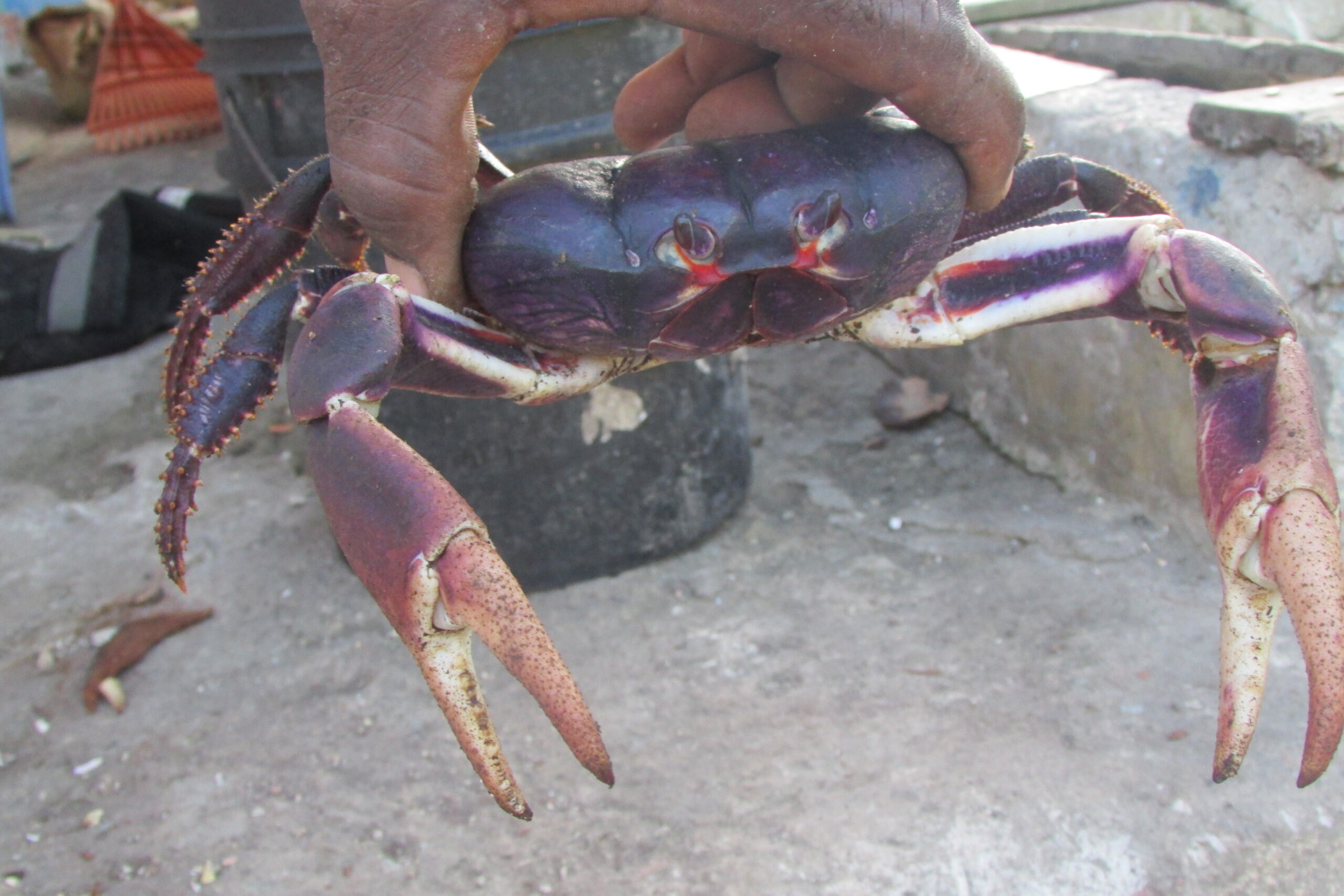
Karkó
"Black land crabs can live both on land and in water. They migrate to the sea to release their eggs, sometimes traveling kilometers from inland to the coast."

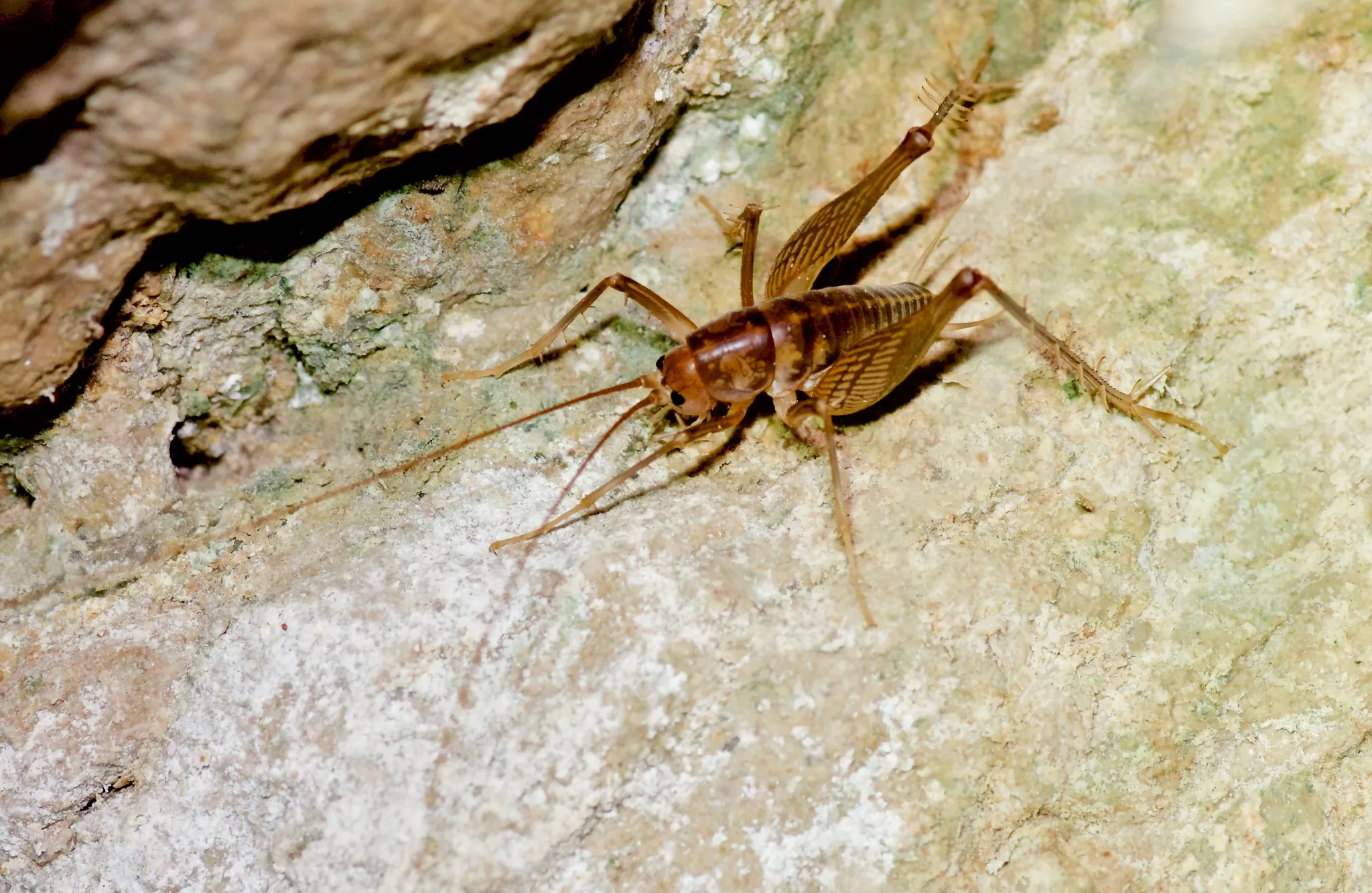
Grillo di Kueba
"Cave crickets have evolved to live in complete darkness. They're often pale or translucent since they don't need camouflage. Their long antennae help them navigate in the dark."

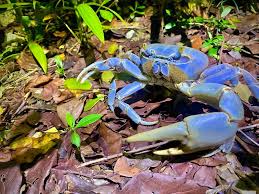
Karkó Blou
"Blue land crabs are larger than their black cousins and have brilliant blue claws. They're important for the ecosystem, aerating soil and controlling insect populations. They can live up to 8 years."

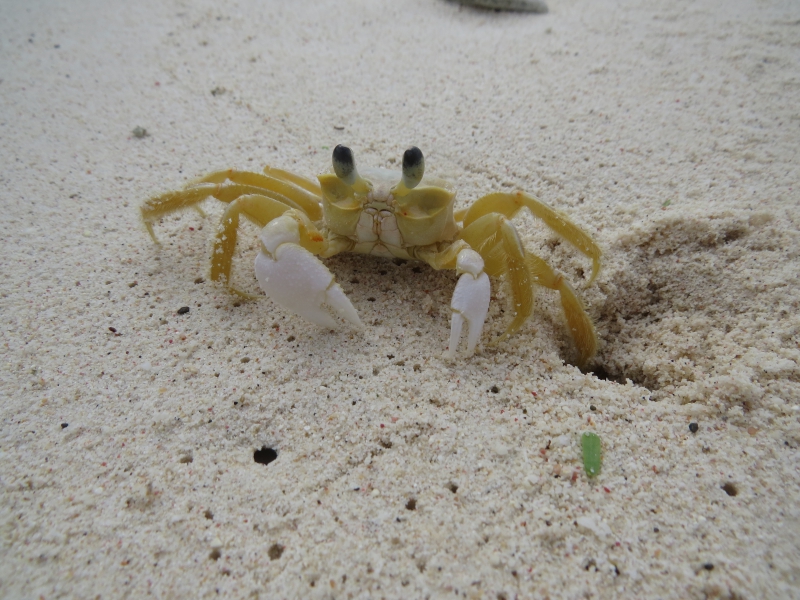
Karkó Fantasma
"Ghost crabs get their name from their pale, almost translucent color that makes them nearly invisible against sand. They're incredibly fast and can change direction instantly to escape predators."

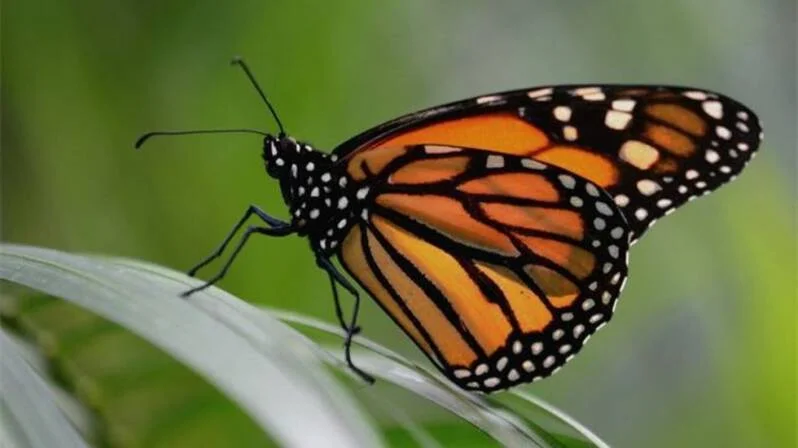
Monarka
"Monarch butterflies are famous for their multi-generational migration spanning thousands of miles. Their bright orange color warns predators that they're toxic — caterpillars feed on poisonous milkweed."

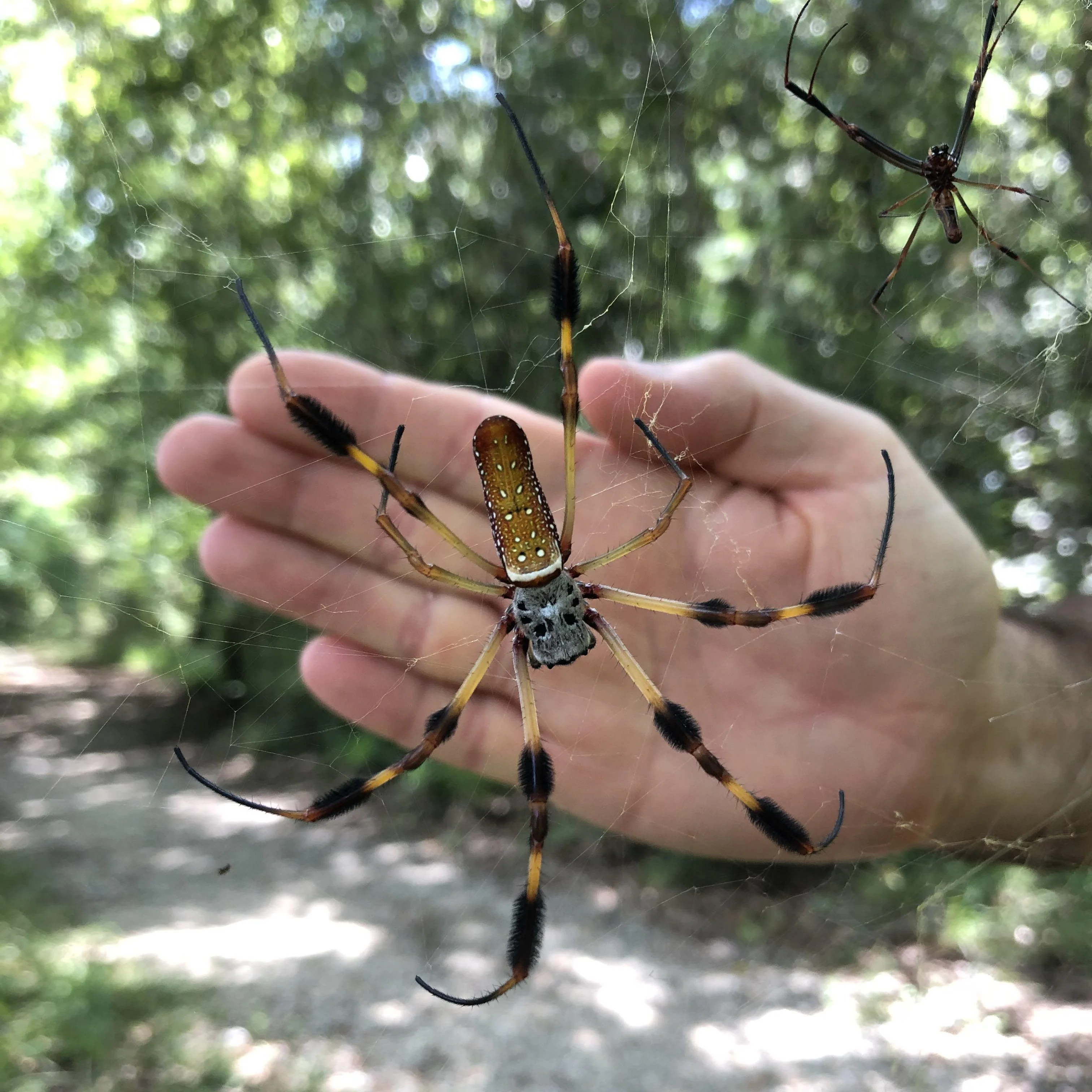
Araña di Oro
"Golden silk orb-weavers create enormous webs that can span several meters. Their silk is incredibly strong — stronger than steel by weight. The golden color attracts prey in the sunlight."

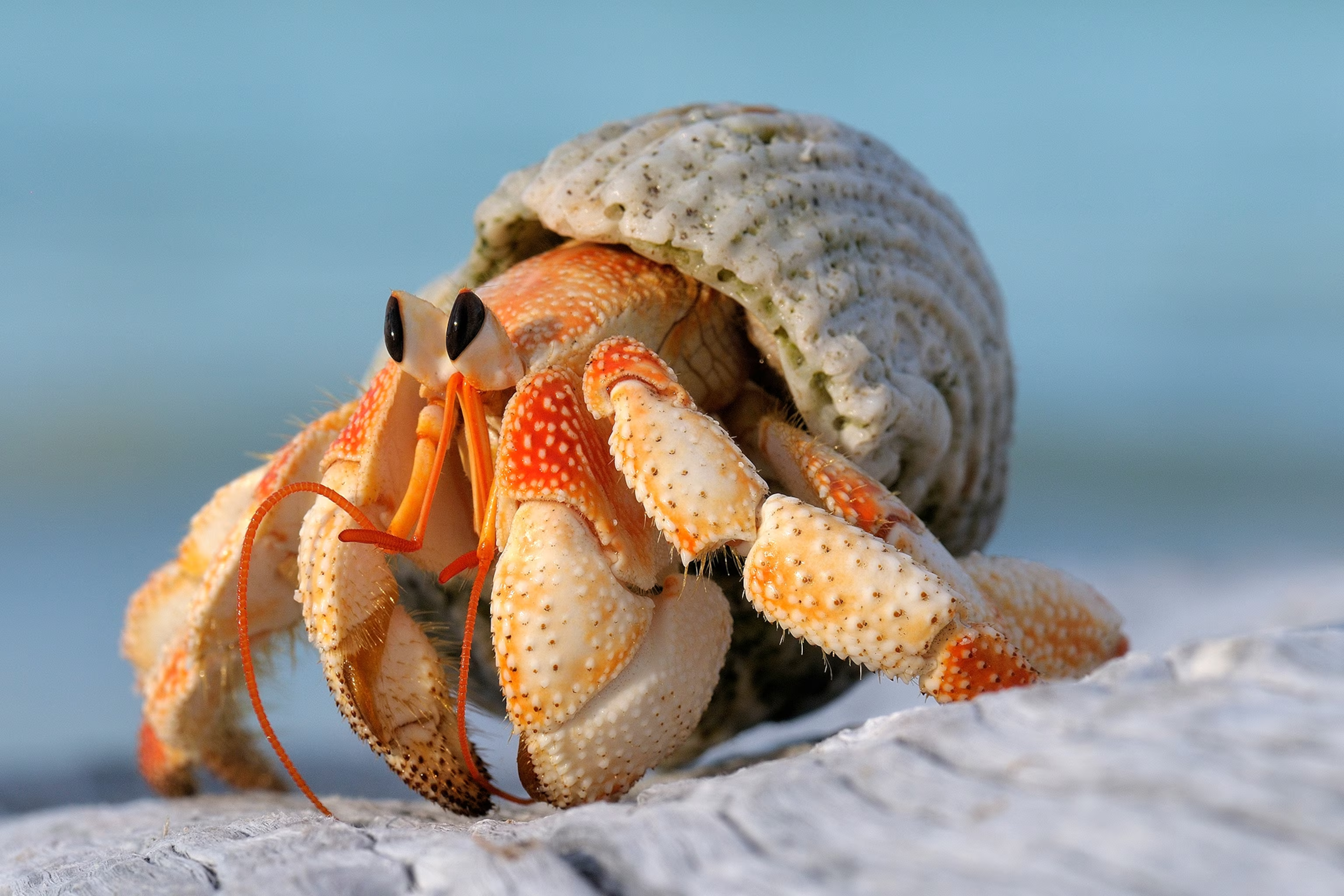
Karkó Ermitaño
"Hermit crabs don't have their own shells — they borrow and abandon shells as they grow. They can live both on land and in water, returning to the sea to breathe and lay eggs."

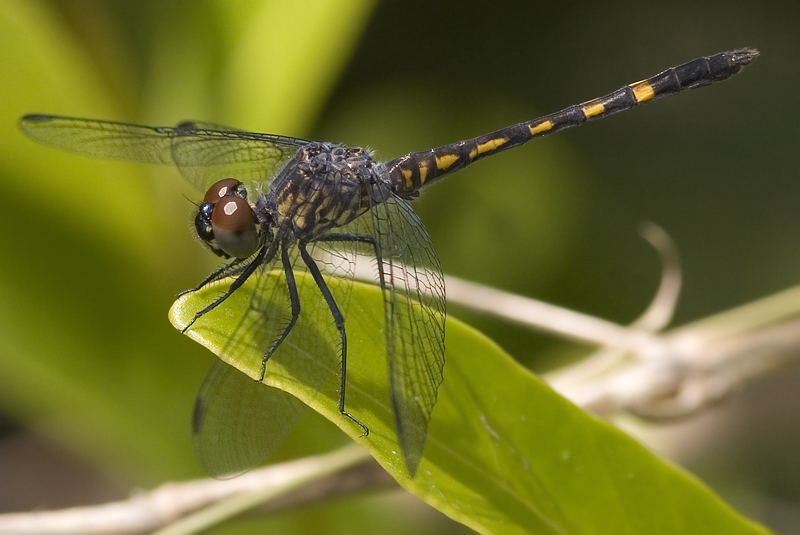
Libélula
"Dragonflies are ancient insects that have existed for 300 million years. They can fly in any direction, hover, and reach speeds of 30 mph. Their larvae live underwater and are fierce predators."
The top locations for multi-species encounters
The island's largest park — endemic parrots, iguanas, deer, and wild goats in dry tropical forest.
Explore →The most reliable flamingo spot on the island. Best in early morning when the light turns the water gold.
Explore →Pelicans, frigatebirds, and iguanas gather at the fishermen's beach every morning. Also the best sea turtle spot.
Explore →Wild goats on sea cliffs, iguanas everywhere, and seabirds riding Atlantic updrafts above the blowholes.
Explore →The mangroves here are the best heron habitat on the island. Kayak at dawn for the full experience.
Explore →Ancient limestone caves with a significant colony of bats and cave crickets. Guided tours available daily.
Explore →One of Curaçao's greenest hidden gems. Ancient mango trees, flowering plants, and quiet trails attract hummingbirds, bananaquits, butterflies, and occasionally the elusive Shoco owl.
Explore →Famous not only for its beach but also for its resident pigs, which have become local celebrities. Around the surrounding hills and cactus scrub, you'll also find iguanas, pelicans, and many common island birds.
Explore →