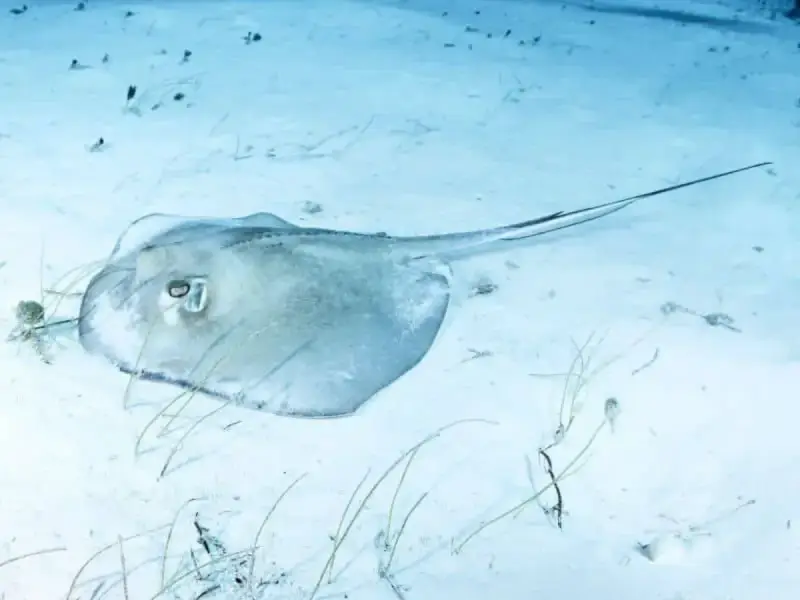
Southern Stingray
🦅WhereSandy bottoms, shallow bays, Tugboat Beach
WhenYear-round
Size1–1.5m disc
“Burrows in sand during day, hunts at night. Often seen by snorkelers in shallow water.”
70+ dive sites, 358 fish species, 60 coral species
Curaçao sits outside the hurricane belt on a limestone island ringed by coral reefs. From 5m tugboat wrecks to 40m walls, sea turtles, eagle rays, and spawning corals, this is the complete guide to what lives below the surface.
From the surface to the deep wall, the life changes with depth, light, and current.
Before you descend. Southern stingrays glide over sand, flyingfish skip away from the bow, and the first reef fish appear in the sunlit shallows.
“Burrows in sand during day, hunts at night. Often seen by snorkelers in shallow water.”
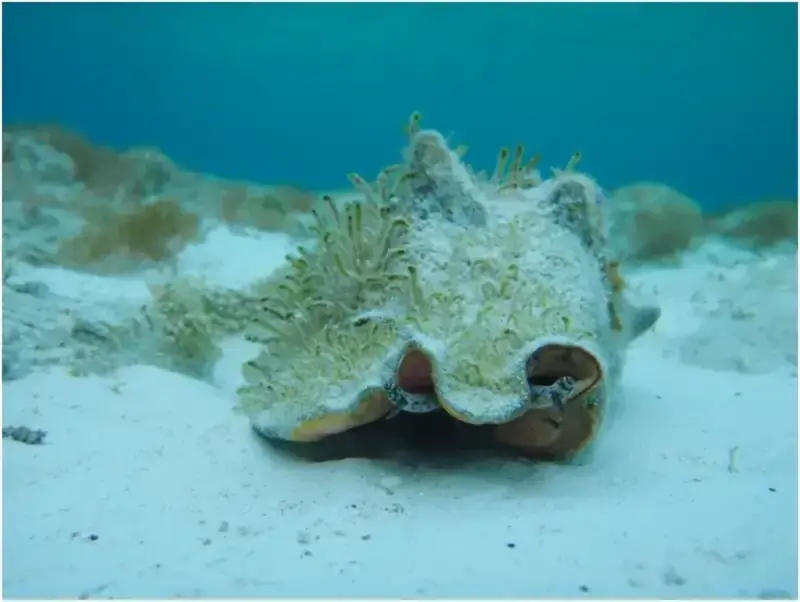
“Protected species in Curaçao. The large pink shell is iconic of the Caribbean.”
Green, hawksbill, and the rare loggerhead turtle feed, rest, and breed around Curaçao. Playa Piskadó is the most reliable daily encounter in the Caribbean.
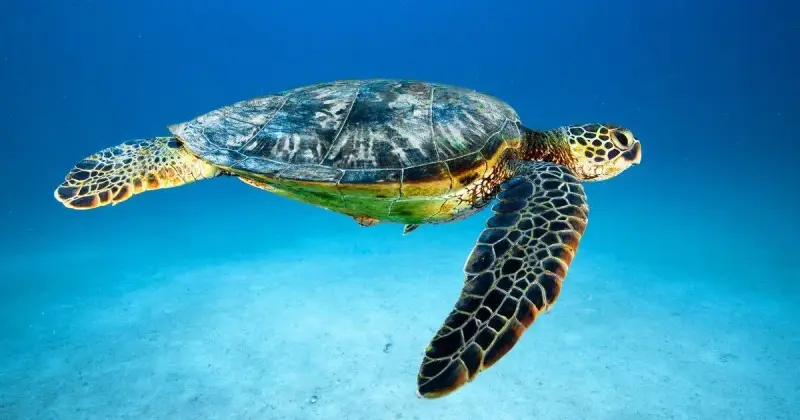
“Arrives daily at Playa Piskadó pier to feed while fishermen clean their catch — they know the schedule.”
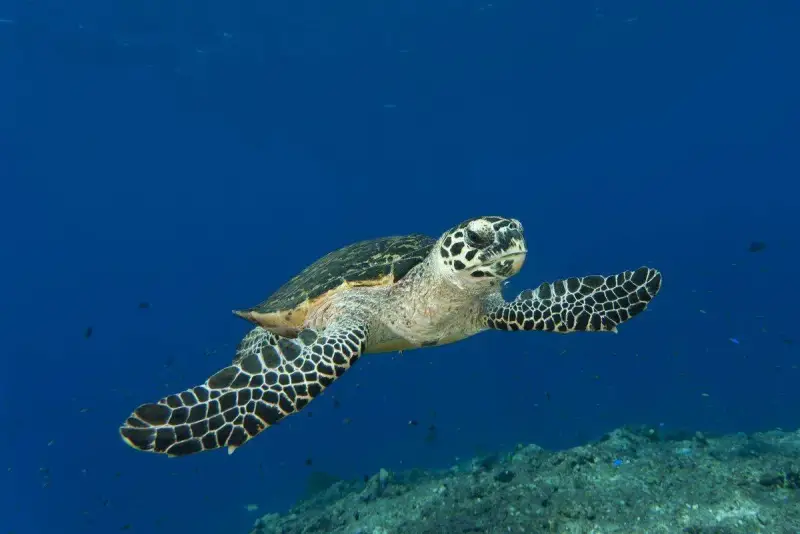
“Feeds on sponges that would otherwise overgrow the coral reef — critical for reef health.”
A small, intact tugboat sitting upright in 5 meters of water. Perfect for snorkelers and first-time wreck divers, covered in sponges and reef fish.
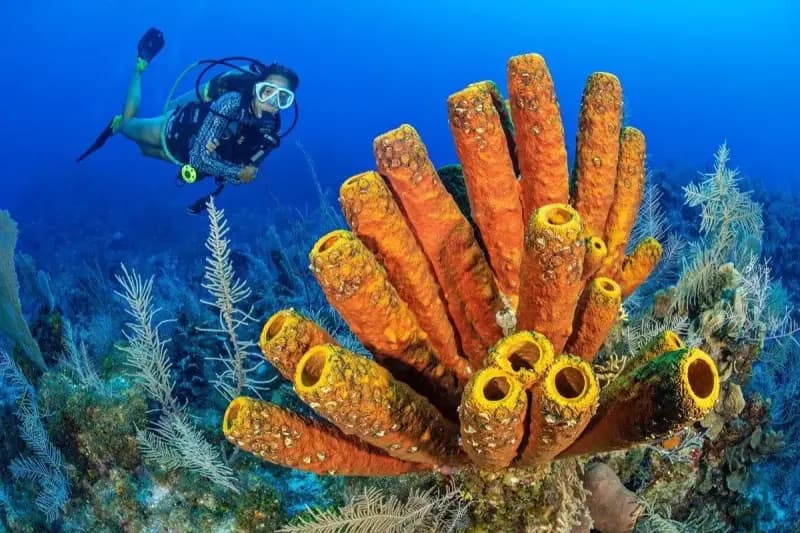
“Bright orange tubes that extend from reef. Common on Tugboat wreck.”
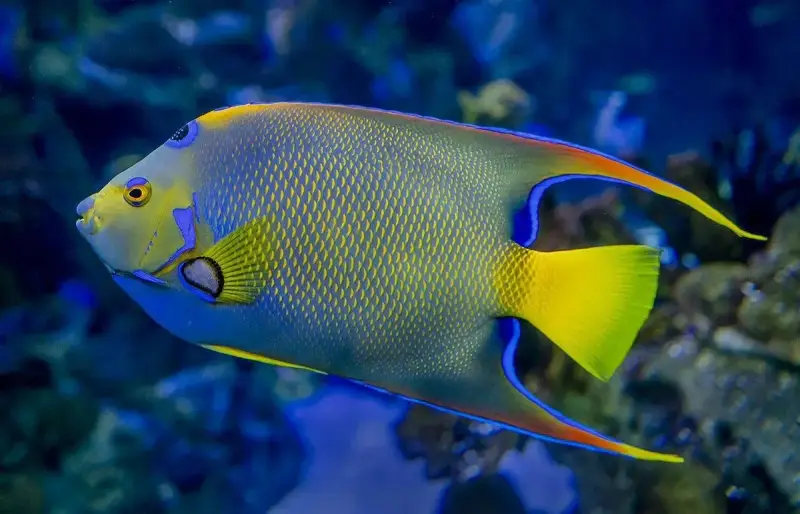
“Patrols the deck of the Superior Producer wreck. One of the most photographed fish in the Caribbean.”
At night the reef changes. Octopus, lobsters, morays, and scorpionfish emerge from hiding while the corals open to feed.
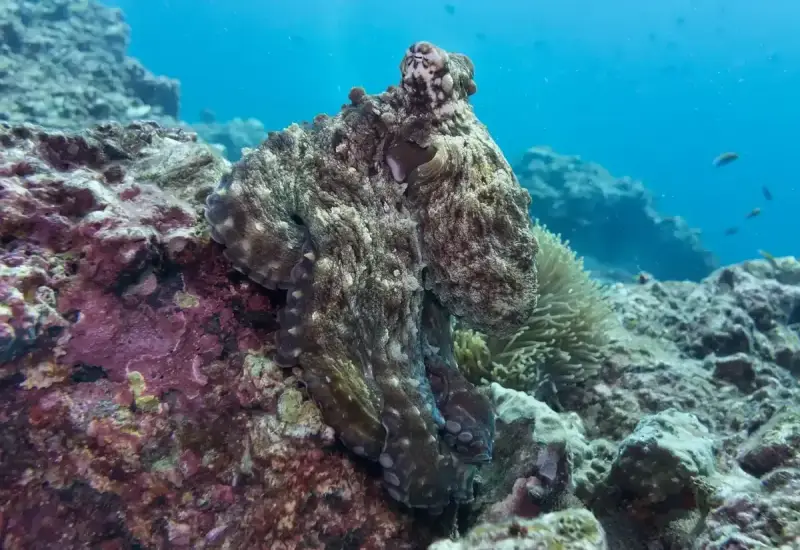
“Changes skin texture in 200 milliseconds. Each arm has independent nerve clusters and can taste what it touches.”
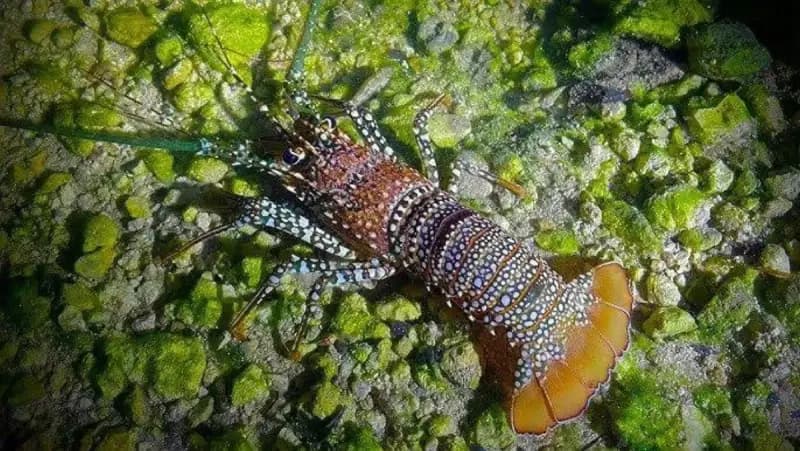
“Has no claws — defends itself with sharp spines on its antennae, which can be longer than its body.”
Curaçao’s reefs drop from 5m to 30m+ in dramatic walls. Brain coral, elkhorn, pillar coral, and barrel sponges form the architecture of the reef.
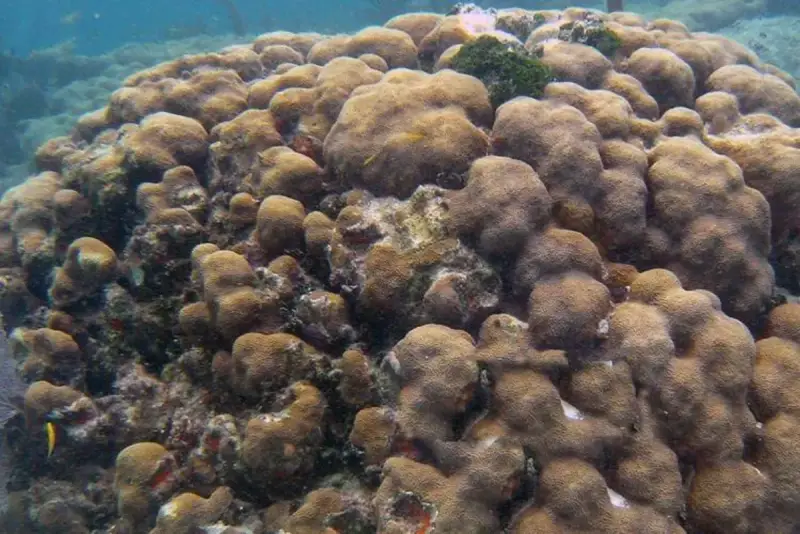
“Massive boulder coral that can live for 500+ years. Primary reef builder in Curaçao.”
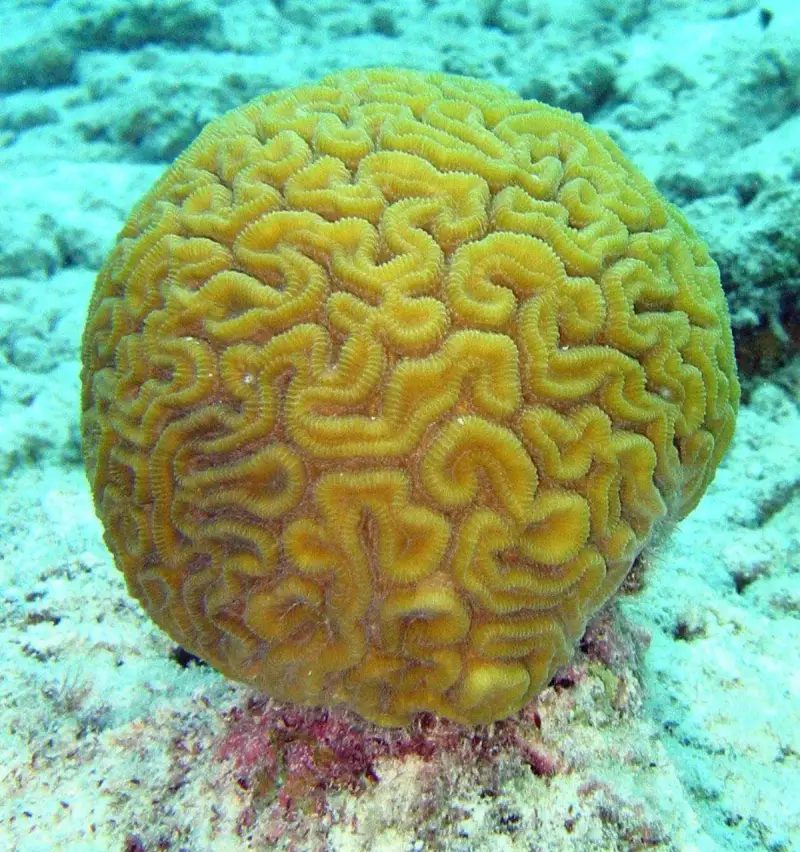
“Named for its brain-like appearance. Grows slowly, adding 1-2cm per year.”
Spotted eagle rays and the occasional manta ray cruise along the reef edge, often in small groups, with their wingtips brushing the current.
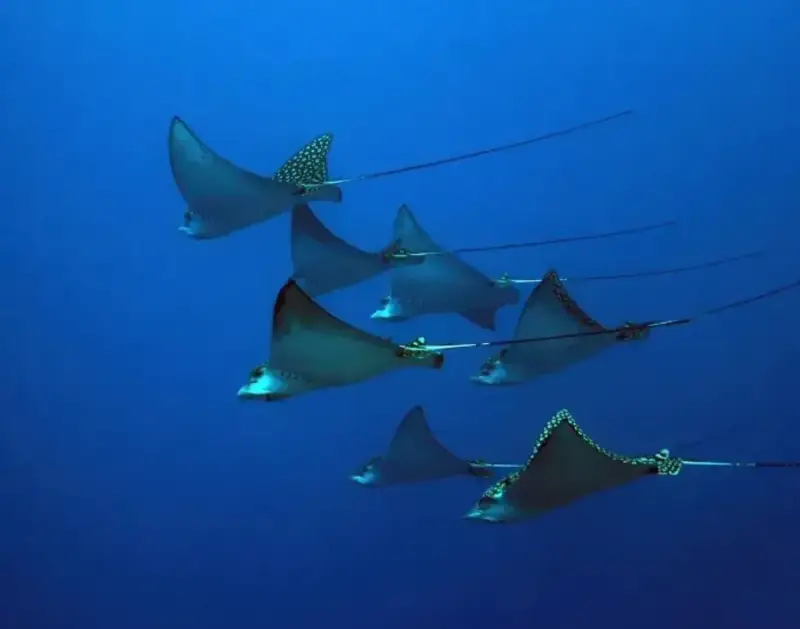
“Travels in formation, wing-tip to wing-tip. Sightings at Watamula often involve 5–10 individuals.”
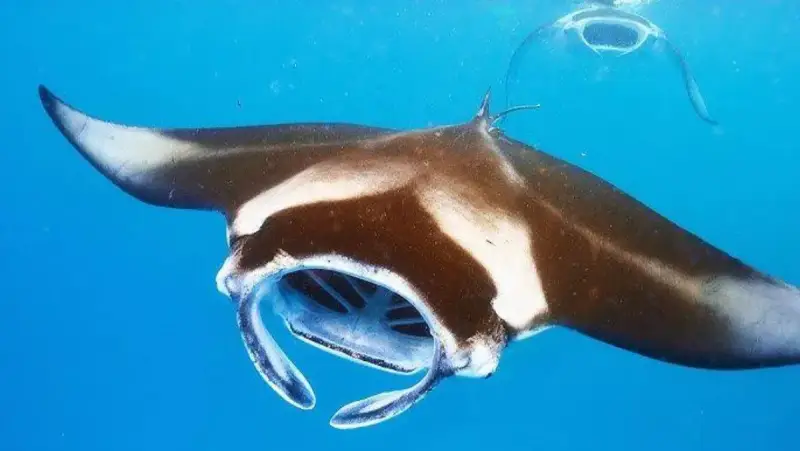
“Appears in autumn drawn by concentrations of plankton. Filter-feeds with its vast cephalic fins wide open.”
A 50m cargo ship that sank in 1977. Now one of the most famous wreck dives in the Caribbean, surrounded by tarpon, barracuda, and grouper.
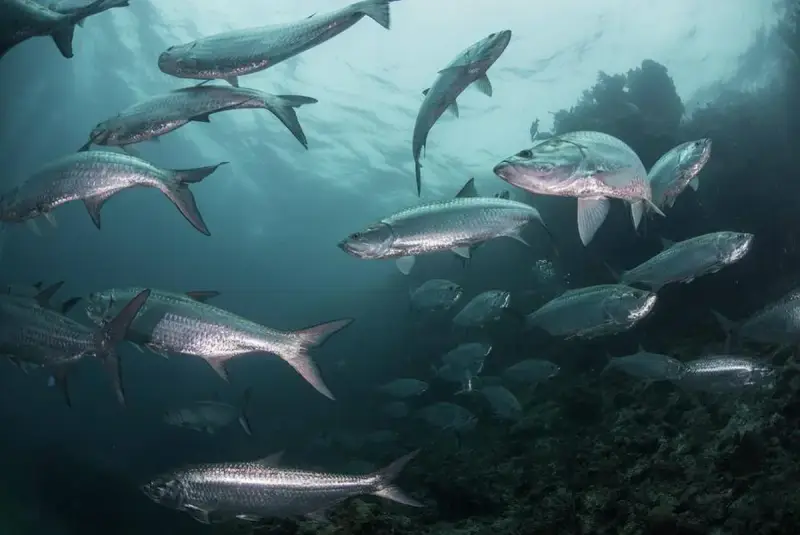
“A school of 40+ individuals circles the Superior Producer permanently. Frequently mistaken for sharks.”
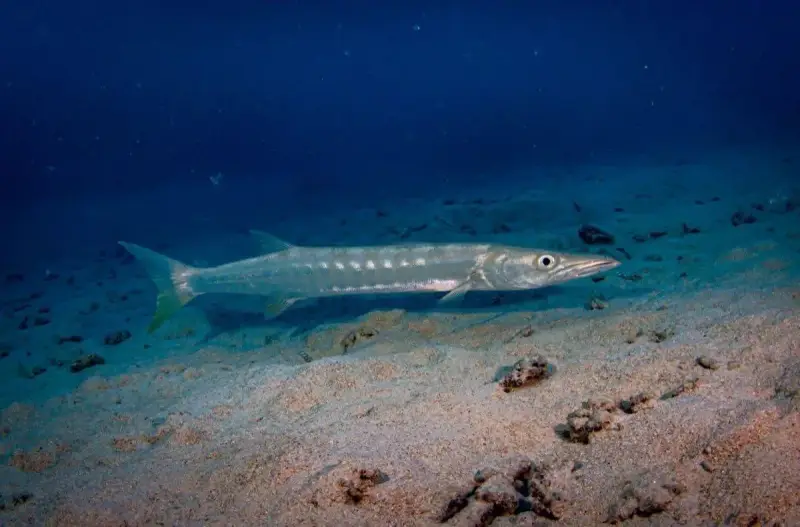
“Accelerates to 43 km/h in short bursts. Curious and unafraid — will follow divers for entire dives.”
A forest of giant barrel sponges at the Blue Room cave. Nurse sharks sleep under ledges, frogfish hide on the sponges, and shafts of light enter the submerged cave.
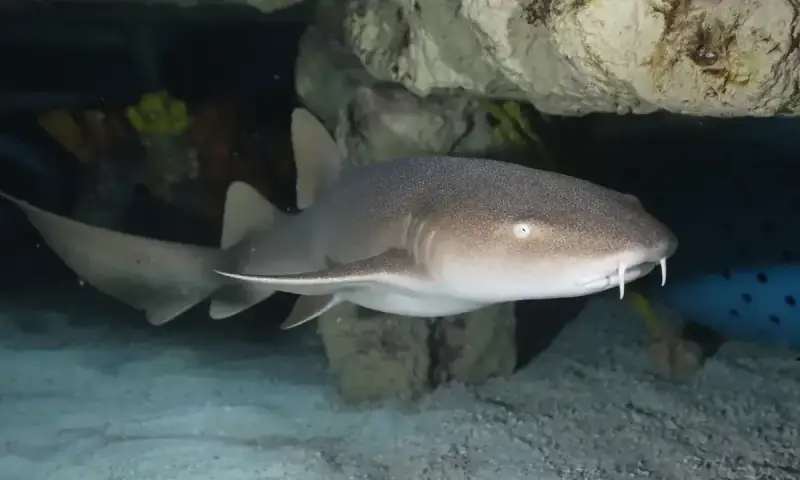
“Found sleeping under the ledge in The Blue Room cave. Nocturnal hunter — can pump water over gills while motionless.”
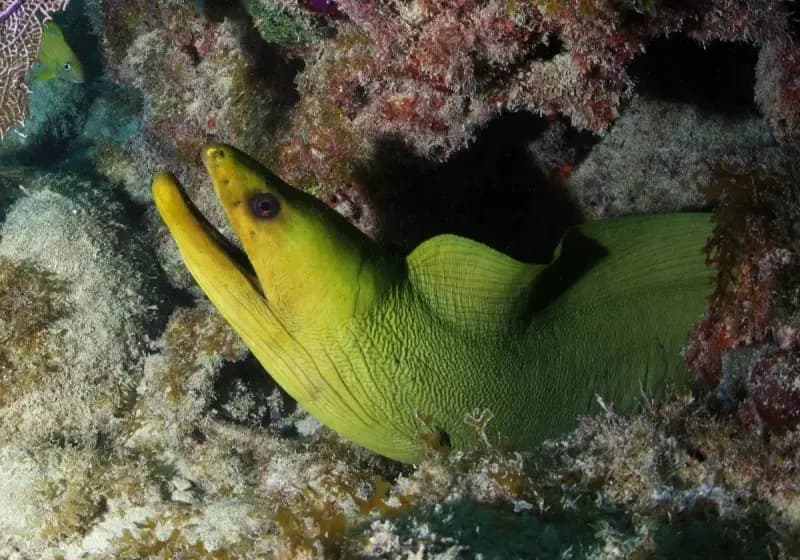
“Has two sets of jaws — the second set (pharyngeal jaws) shoots forward to drag prey down the throat.”
Beyond the reef wall: humpback whales pass through in winter, dolphins join boat trips, and whale sharks are documented but rare.
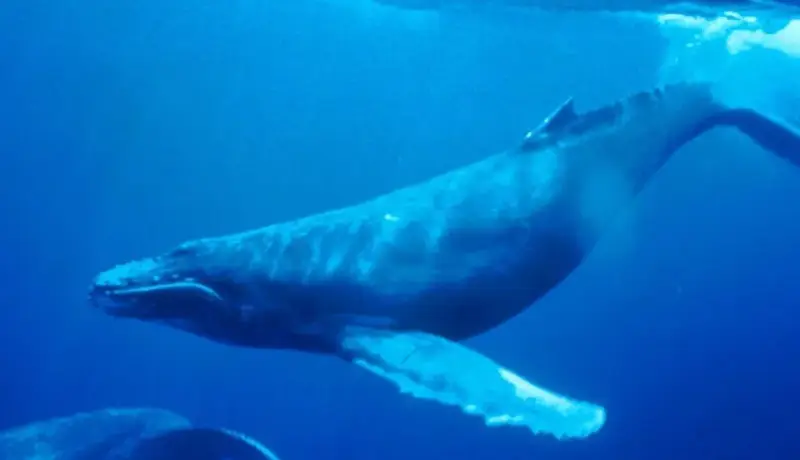
“Passes through Curaçao waters on the migration route between South America and the Caribbean. Sightings from boats documented but rare.”
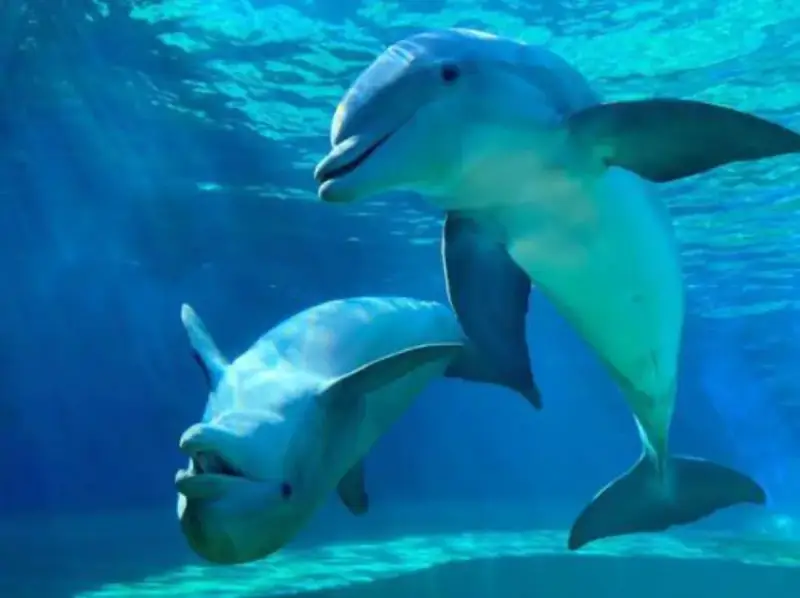
“Sighted on approximately 30% of full-day boat trips. Spotted and Roughtooth dolphins also documented in ABC island waters.”
Shore entries, wrecks, walls, and the best multi-species encounters
Turtles come daily at the pier to feed on fish scraps. Easy shore entry and one of the most reliable turtle encounters on the island.
Explore →Intact tugboat in 5m, perfect for snorkeling and beginners. Covered in sponges, angelfish, and parrotfish.
Explore →Coral walls, turtles, and excellent visibility. One of the most photographed reef sites in Curaçao.
Explore →Remote island with turtles, dolphins, and seasonal whales. Excellent drift diving along the drop-off.
Explore →Gentle reef slope with elkhorn coral, parrotfish, and frequent turtle sightings.
Explore →Double reef system with healthy coral and the famous resident pigs on land nearby.
Explore →