Kura Hulanda Museum
Ask the Iguana
Ask me anything about Kura Hulanda Museum.
About
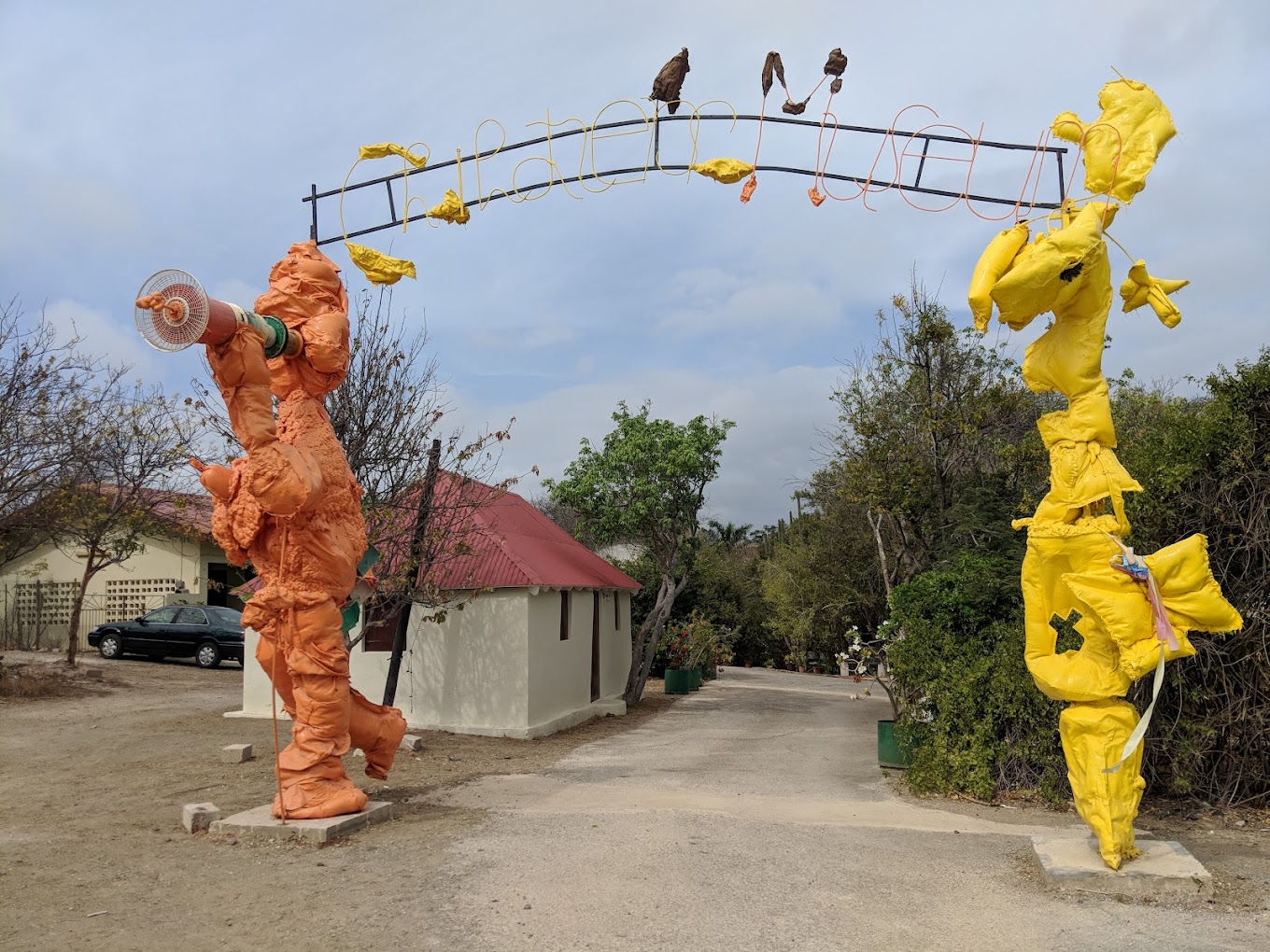
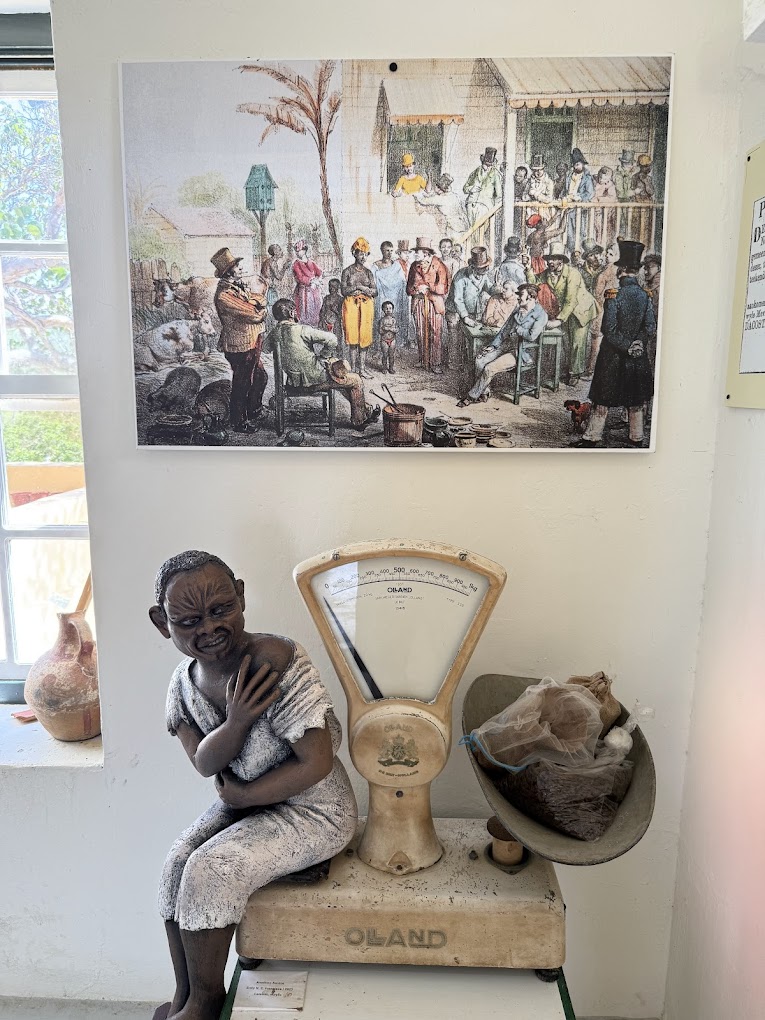
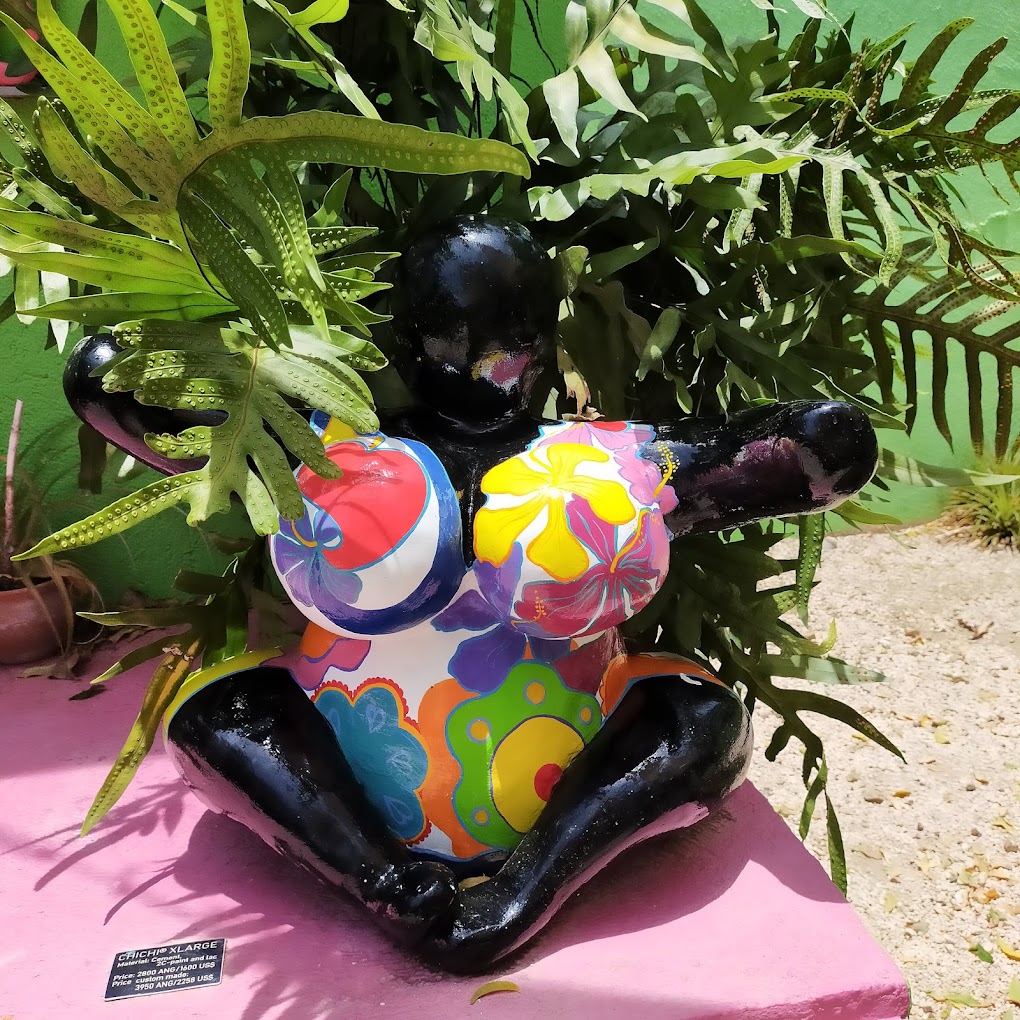
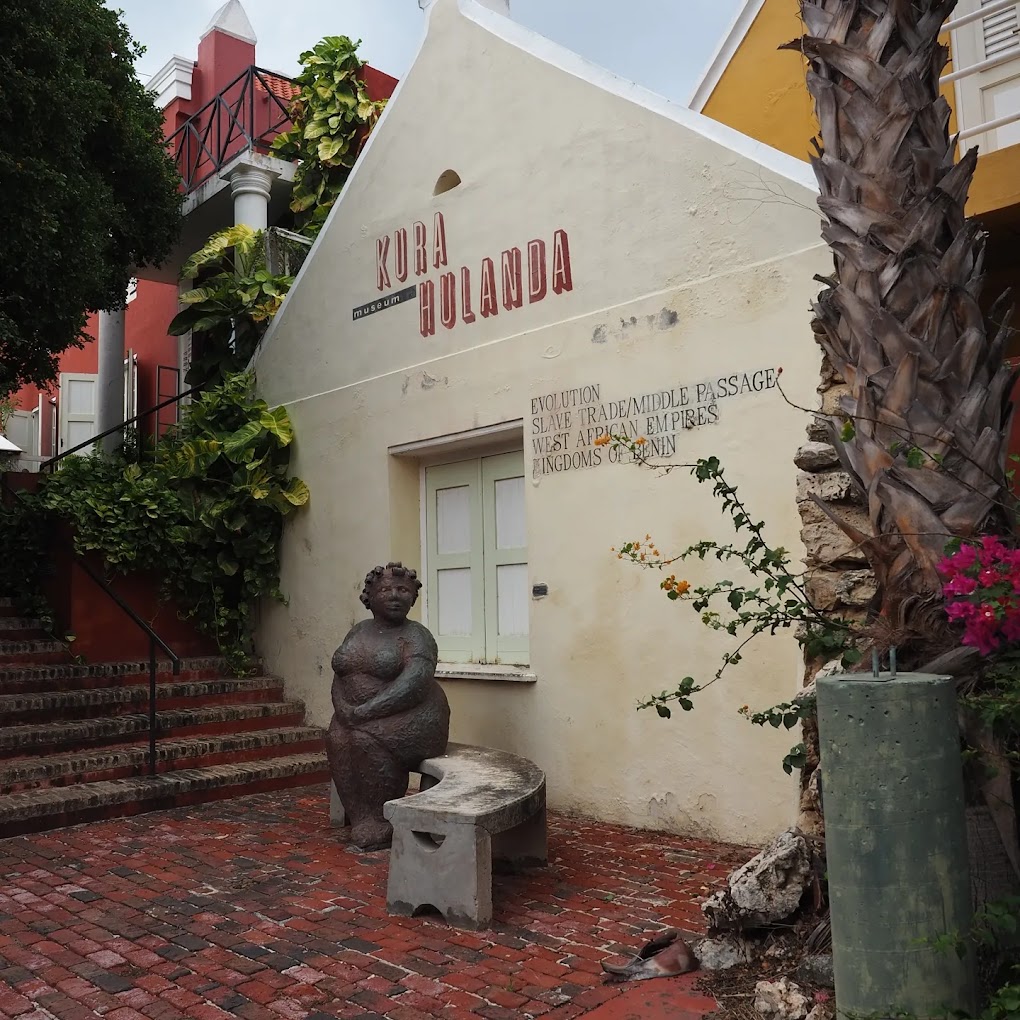
Kura Hulanda Museum is considered one of the most important museums in the Caribbean, known for its powerful and emotional exhibitions about the transatlantic slave trade, African heritage, human rights, and Curaçao’s multicultural history. Located in the historic Otrobanda district, the museum is part of the beautifully restored Kura Hulanda village, filled with colonial architecture, courtyards, and historic streets. The museum’s collections include African artifacts, slave trade exhibits, ancient civilizations, Caribbean history, religious objects, and cultural displays from around the world. The exhibits are immersive, educational, and deeply moving, making this one of the most impactful cultural experiences on the island. It’s a must-visit for travelers wanting to understand the real historical roots of Curaçao and the Caribbean.
Klipstraat 9
Tips
- * Plan at least 2–3 hours to fully explore the museum
- * Some exhibits contain emotional and graphic historical content
- * Excellent indoor activity during hot afternoons or rainy weather
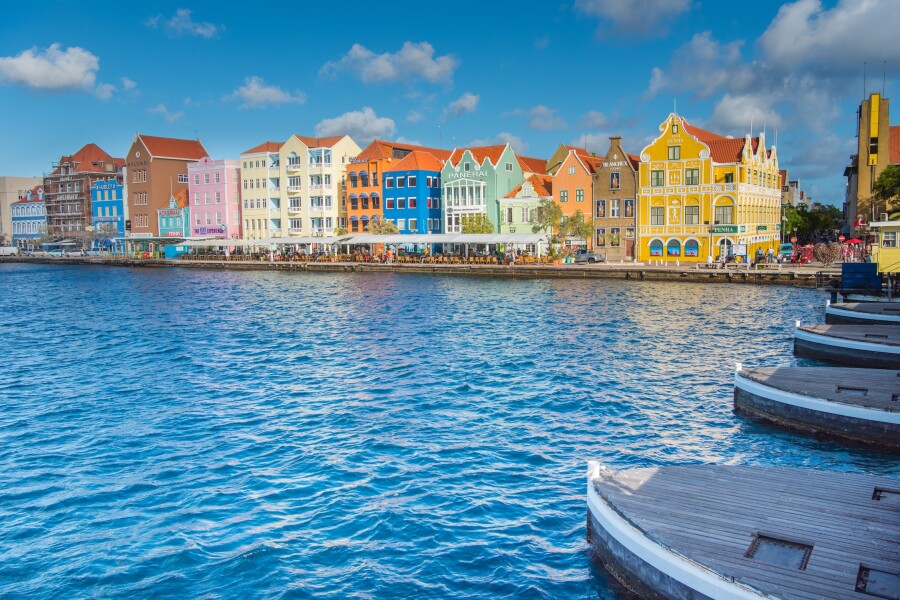
- * Bring a camera — the surrounding Kura Hulanda village is very photogenic
- * Ideal for history lovers, students, and cultural travelers
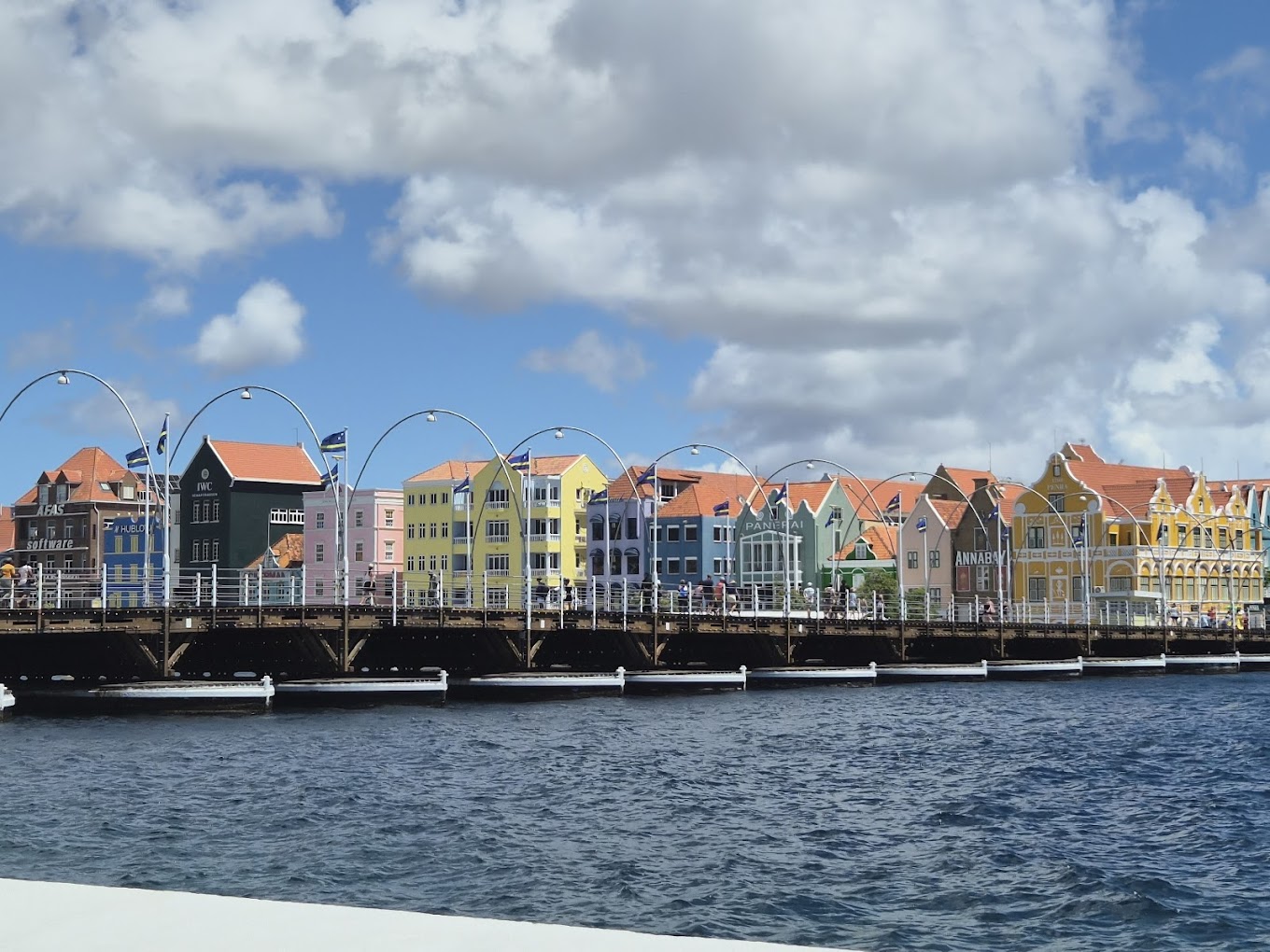
- * Combine your visit with Rif Fort, Queen Emma Bridge, Punda, and downtown Willemstad
- * Audio guides and guided tours may be available depending on the day
- * One of the best educational experiences in Curaçao
Quick info
Hours
Mon-Sat 08:00-16:00, Sun 09:00-14:00
Best time
hot afternoons or rainy weather
Hours
Mon-Sat 08:00-16:00, Sun 09:00-14:00
How to get there
Kura Hulanda Museum is located at Klipstraat 9 in Otrobanda, Willemstad, just a short walk from Rif Fort and the Queen Emma Bridge. Approximate distances: * 2 minutes from Rif Fort and Renaissance Mall * 5 minutes walking from Punda via Queen Emma Bridge * 15–20 minutes by car from Jan Thiel or Blue Bay
Visitor Photos
Reviews & Comments
Quick info
Hours
Mon-Sat 08:00-16:00, Sun 09:00-14:00
Best time
hot afternoons or rainy weather