Landhuis Knip
Ask the Iguana
Ask me anything about Landhuis Knip.
About
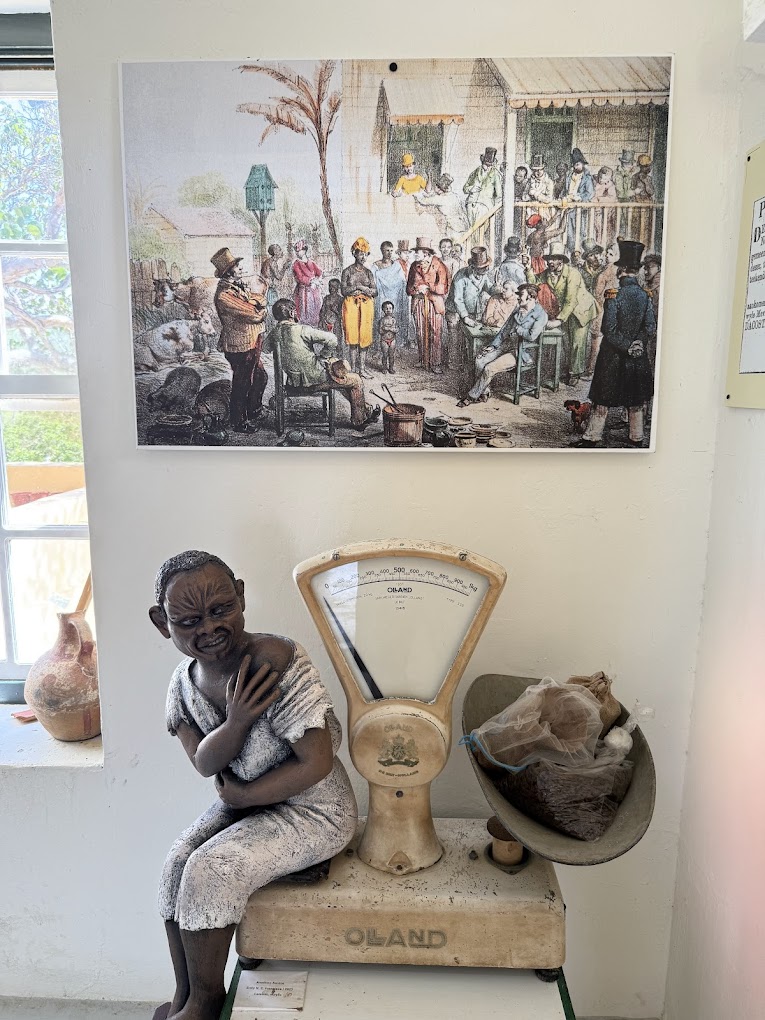
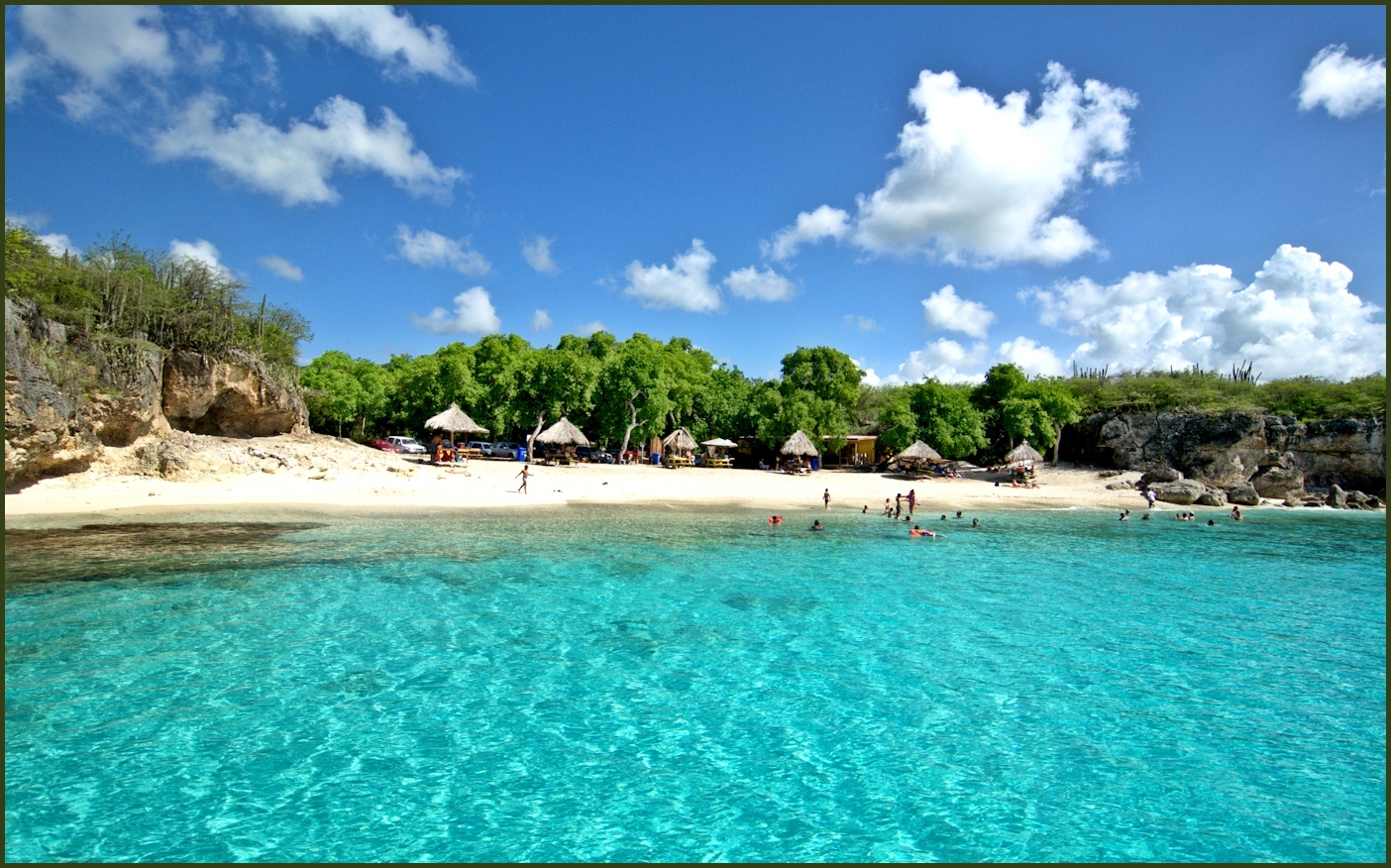
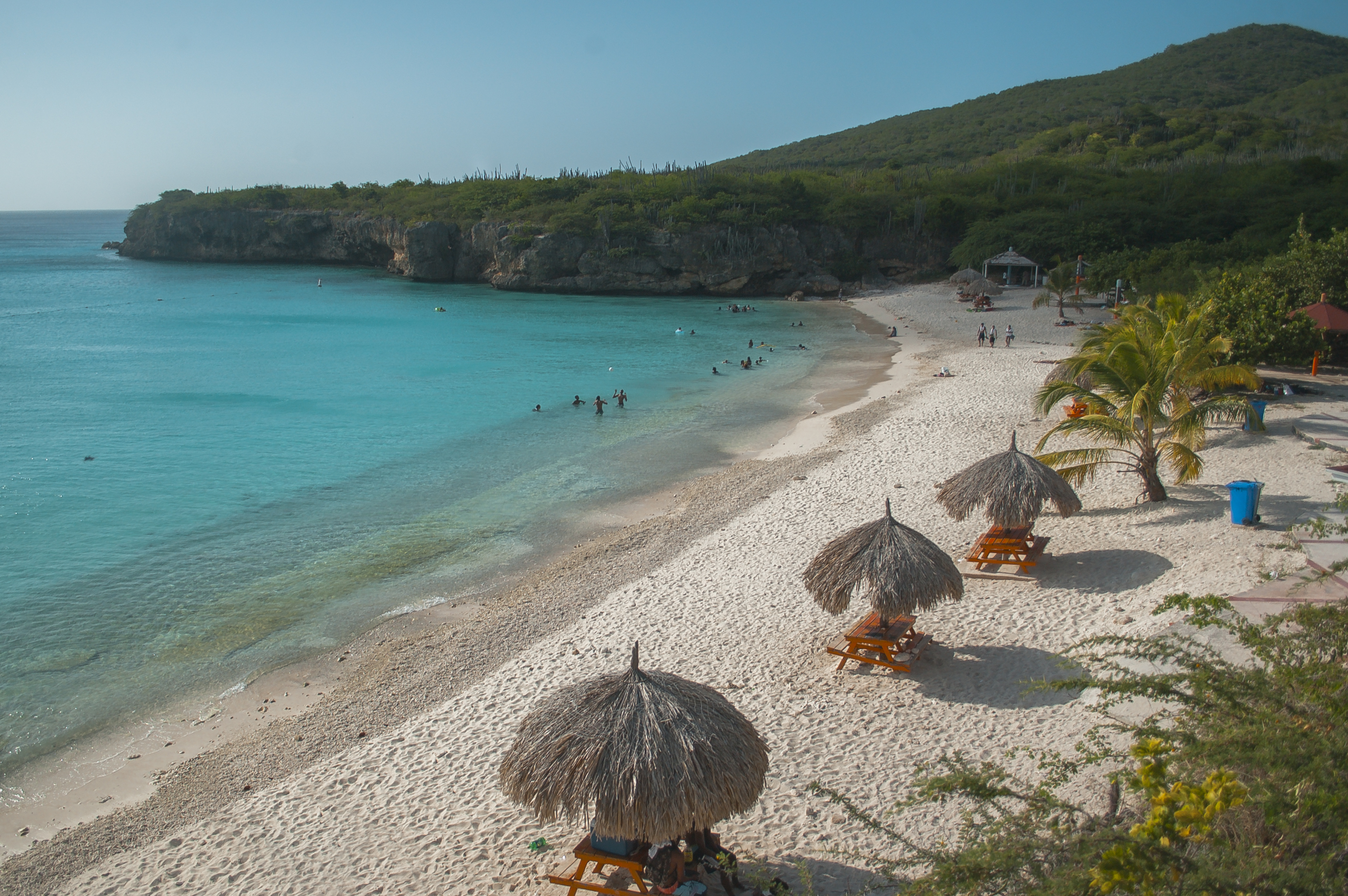
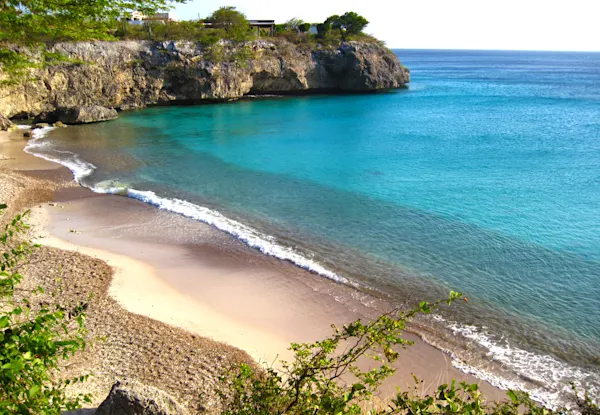
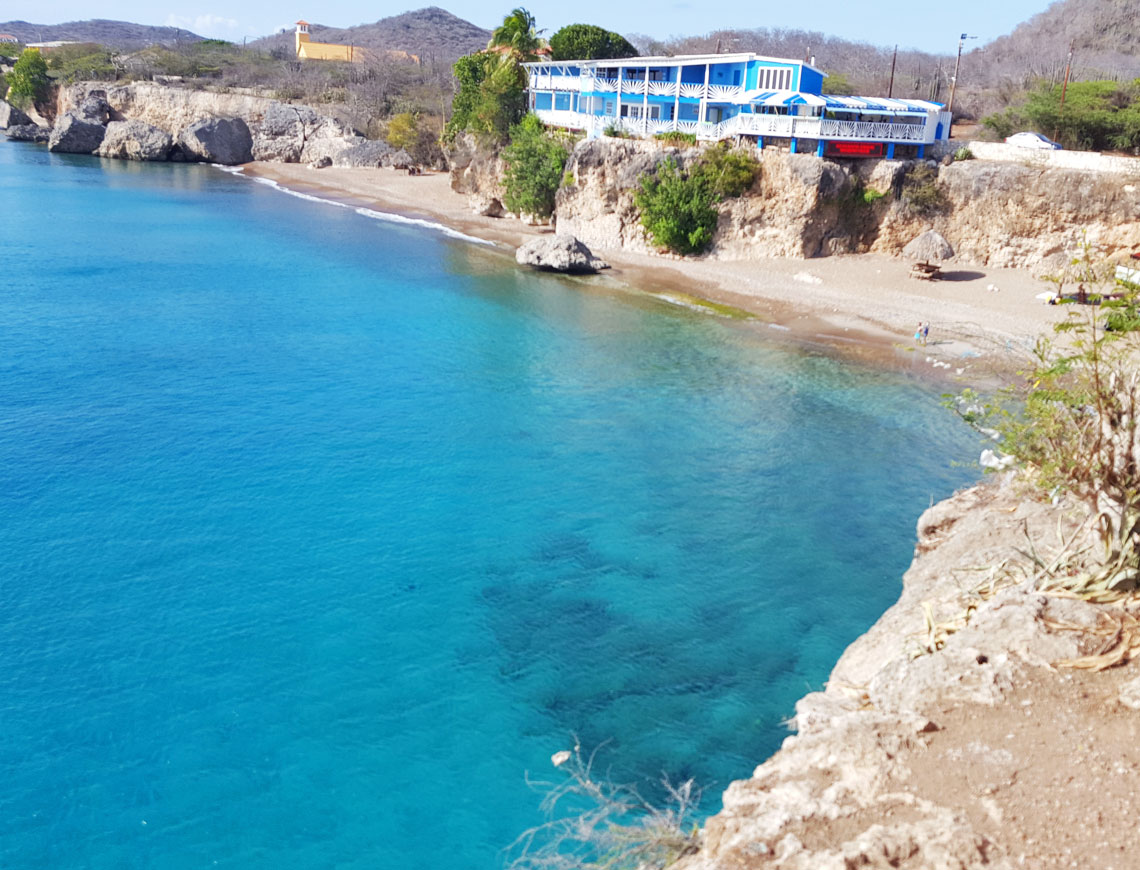
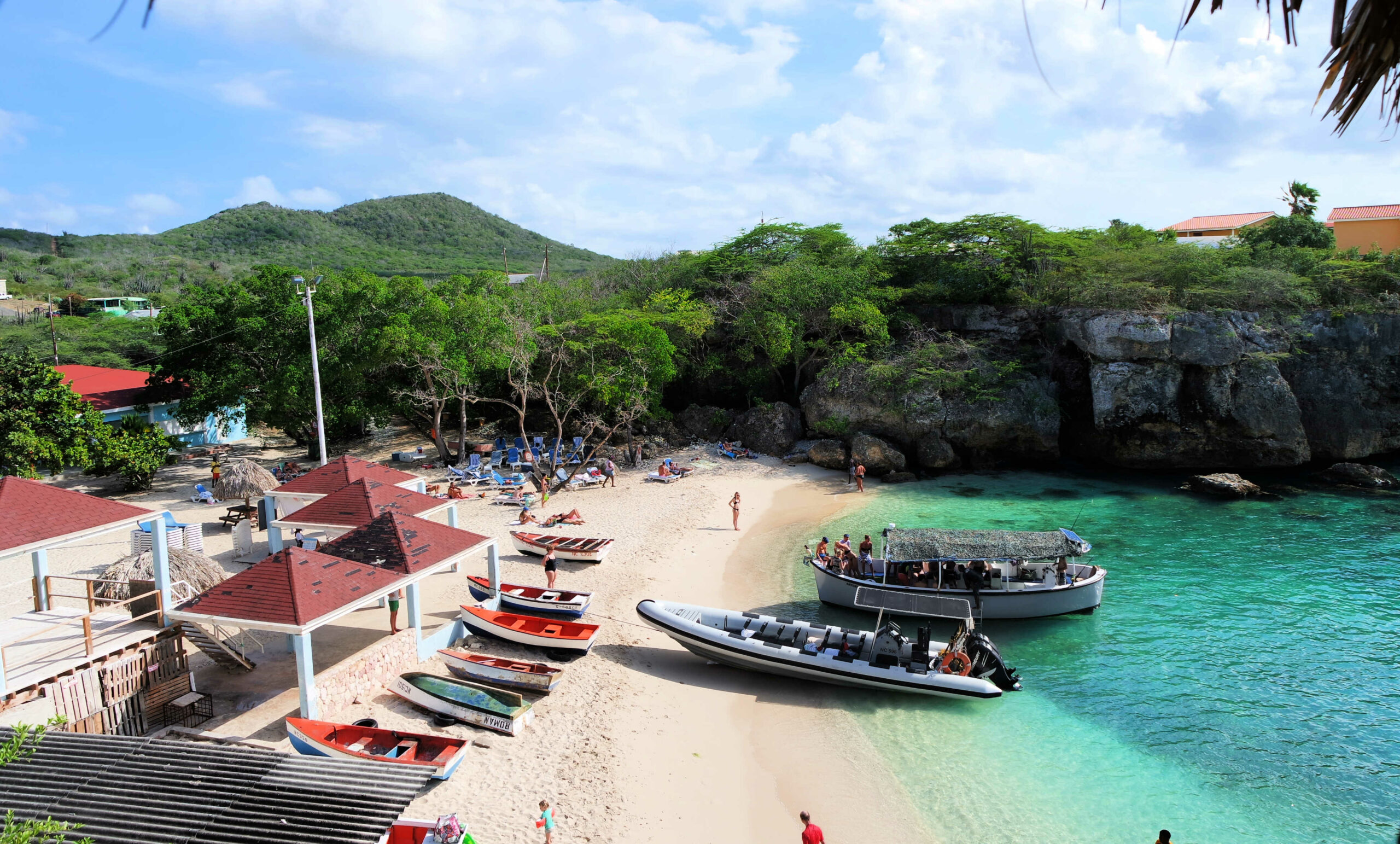
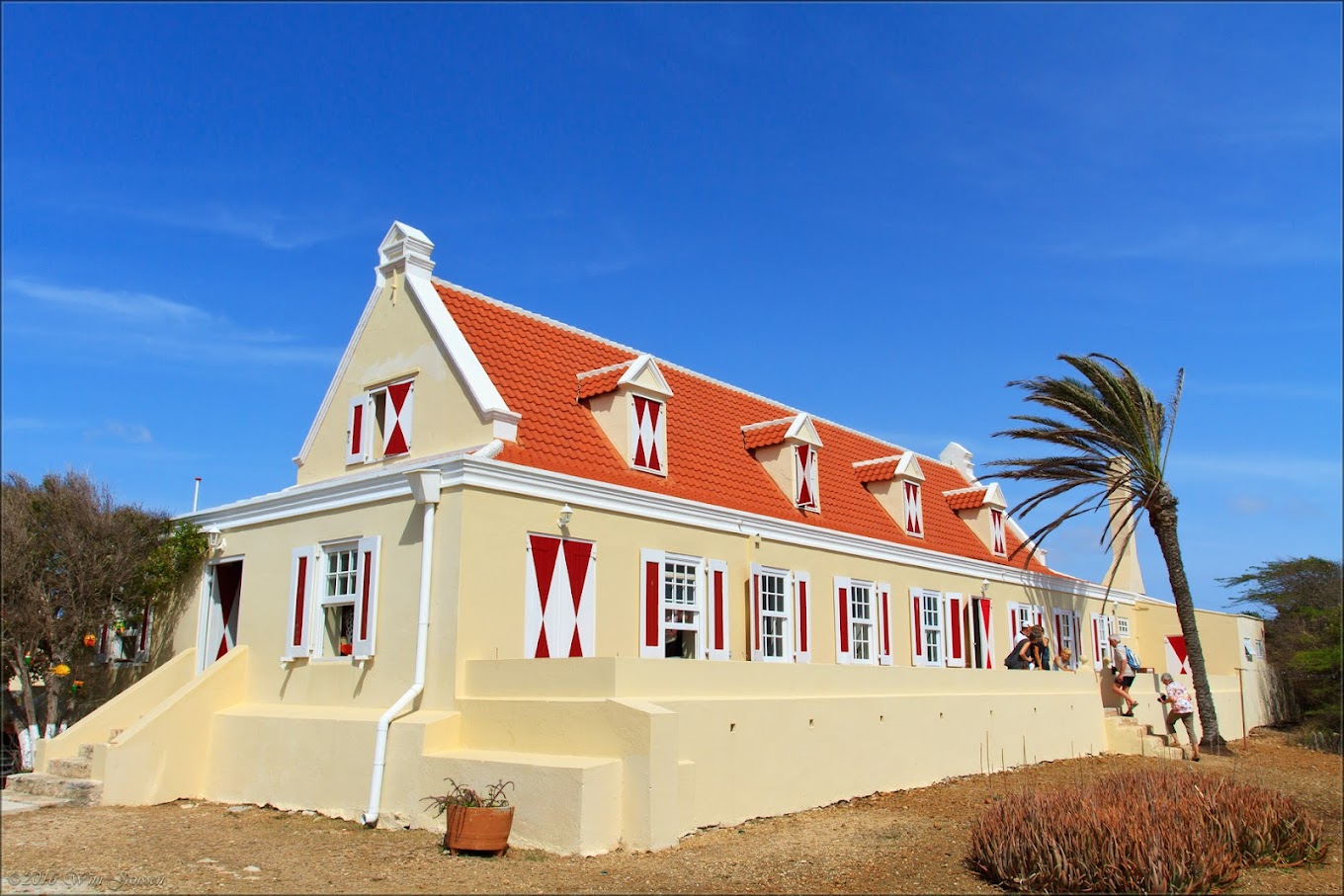
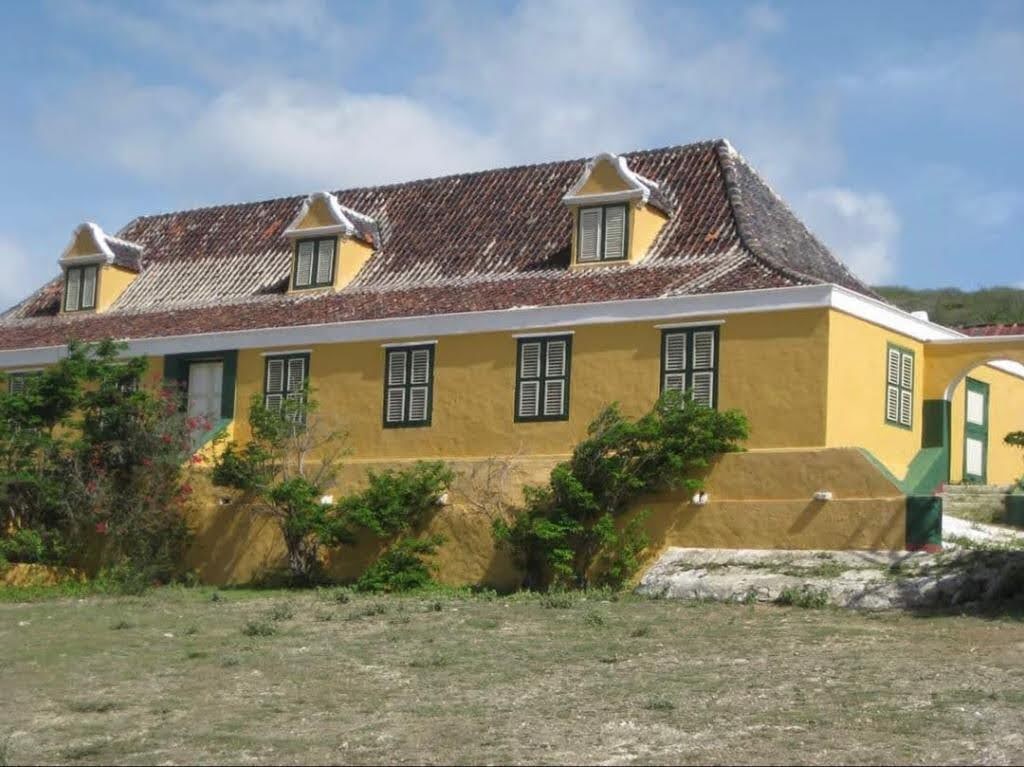
Landhuis Knip, also known as Landhuis Kenepa, is one of the most historically important plantation houses on Curaçao, named after the fruits of the kenepa (genip) tree that grows in the area. The country house dates from the beginning of the 18th century and was once one of the most prosperous plantations on the island, producing divi-divi seed pods and sheep wool as its main commercial crops. The colonial home is an important monument in the history of Curaçao because it was here, on August 17, 1795, that a group of enslaved people led by Tula refused to go to work on this plantation, marking the beginning of the famous 1795 slave revolt — one of the most significant acts of resistance in Caribbean colonial history. The revolting enslaved people marched to Santa Cruz, where they were met by a police force called in to suppress the uprising. The growing number of rebels, which had reached over 1,000, was eventually overpowered, and the leaders including Tula were sentenced to death. Tula remains a hugely important figure in Curaçaoan culture and identity to this day, symbolizing the fight for freedom and human dignity. In 1875, there were still 175 slave huts and five stone buildings on the property, housing 390 people — a stark reminder of the scale of the plantation system. The house was restored in 1985 and now forms a rectangle circuit with wide galleries on spacious terraces designed to keep the house cool in the tropical climate. Today, Landhuis Knip supports a museum and antique furniture exhibit, and is also home to Museo Tula, which tells the story of the 1795 slave revolt and Afro-Curaçaoan heritage. The landhuis seems to guard the two beautiful beaches of Kleine Knip (Kenepa Chiki) and Grote Knip (Kenepa Grandi), Curaçao's most iconic beaches, which are located just below the plantation house. Landhuis Knip is located on Weg naar Westpunt, about 40 minutes from Willemstad, and can be combined with visits to Grote Knip, Kleine Knip, and the nearby Christoffel National Park for a full day of history and beach exploration on Curaçao's western coast.
Weg naar Westpunt
Quick info
How to get there
On Weg naar Westpunt near Kenepa, about 40 min from Willemstad. Follow signs to Grote Knip — the landhuis is at the turnoff.
Visitor Photos
Reviews & Comments
Quick info